

























































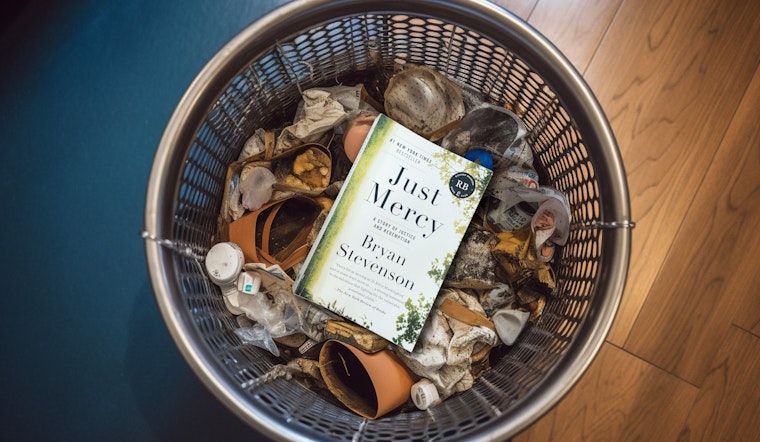
A group of librarians in Texas, including Suzette Baker, have filed claims of workplace discrimination with the U.S. Equal Employment Opportunity Commission (EEOC). These professionals were dismissed for refusing to comply with book bans concerning topics like racism and LGBTQ+ experiences as reports CBS News.
These dismissals are not stand-alone incidents but are entangled, to struggle with censorship attempts and discrimination efforts of activists who consider selected books inappropriate for young readers. Libraries nationwide are feeling the heat as this debate intensifies according to NBC News.
In addition to escalated book banning efforts, there have been moves to prosecute librarians providing access to books considered inappropriate. Librarian Brooky Parks however, secured a $250,000 settlement in September via the Colorado Civil Rights Division. Now her former employer must offer librarians greater decision-making authority in relation to library programs as stated by CBS News.
While it might take up to a year to conclude an EEOC investigation, it's essential to reflect on the potential impact of this struggle on libraries and society at large. Describing the situation, attorney Iris Halpern made reference to the civil rights era saying, "It is honestly sad that we've gotten to this point. But history is a constant struggle and we have to learn from our past" as quoted on NBC News.
The debate over the book banning symbolizes a societal struggle, as information today is more accessible than before. Books have always been instrumental in expanding and shaping collective knowledge. Thus, this divisive topic not only underlines the clash of beliefs, but also highlights the necessity of a diverse range of perspectives and experiences for all readers.
Even though it remains uncertain how these legal battles will be resolved, one aspect is clear: the fight for open access to literature is ongoing. Society needs to have meaningful discussions and develop a deeper understanding of the complexities surrounding censorship and freedom of speech. The determination these librarians possess reminds us that unwavering pursuit of truth and tolerance is essential for societal progress.
In Texas, Suzette Baker and her co-librarians continue their struggle, relentlessly opposing censorship, discrimination, and navigating their path towards redemption. Their struggle serves as an emblem of potential change and progress, even amidst challenging circumstances. As this story continues to develop, these librarians' bravery shines as a beacon of hope, reinforcing the belief in literature's ability to inform, inspire, and transform.





