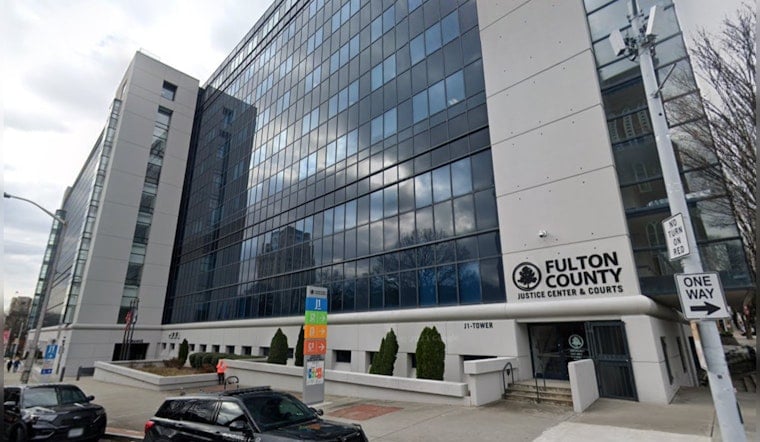
A Fulton County judge delivered a blow to press advocacy on Friday, siding with the city of Sandy Springs in a legal skirmish over the completeness of police reports issued to journalists. In contention were records provided to Appen Media Group, a local media company, which they alleged were too sparse on details due to the omission of critical information about arrests and investigations, according to a report by FOX5 Atlanta.
Presiding over the case, Judge Kimberly M. Esmond Adams found that Appen Media Group had not sufficiently demonstrated a breach of Georgia's Open Records Act by Sandy Springs officials. Legal precedence allows for the withholding of records that are actively tied to ongoing investigations or legal actions, Adams reasoned. However, noted in a story by U.S. News & World Report, the judge also conceded that the city's practices might indeed violate "the spirit of the Open Records Act."
Instead of comprehensive reports, Sandy Springs had been delivering summaries that were reduced to "a one-line narrative that gives little to no detail about the incident," Appen claimed. This has left journalists hankering for more data to scrutinize police conduct and the allocation of taxpayer funds. The media company articulated their concerns and quest for depth in their coverage, but to no official avail, it appears.
A pushback from the city was reflected in communications from Sandy Springs City Attorney Dan Lee, who, in an email obtained by Appen for their lawsuit coverage, steadfastly claimed, "The City prides itself on transparency and has not encountered this complaint from any other outlet." Meanwhile, responding to an email request for comment, seemingly unaware, a public information officer for the city provided no immediate response regarding the judge's ruling.
Highlighting the consequences of the court's decision, Richard T. Griffits, a media ethicist with the Georgia First Amendment Foundation, conveyed alarm over the implications for transparency in a statement posted on X, "The ruling doesn’t serve any purpose other than to shield these reports from the public and encourages police departments to play games with the Open Records Act," noted Griffits, forewarning a potentially darker path for public access to government activities in Georgia.
GFAF’s Richard T. Griffits @griffiths says the ruling “doesn’t serve any purpose other than to shield these reports from the public and encourages police departments to play games with the Open Records Act.”
— Georgia First Amendment Foundation (@Georgia1stAmend) December 23, 2023