

























































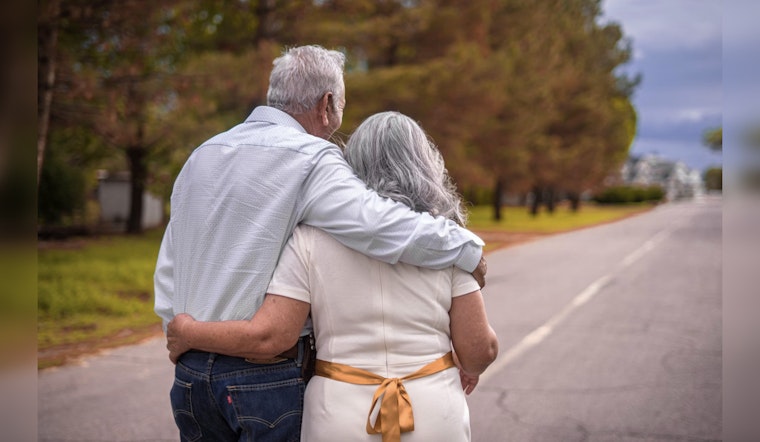
San Antonio's senior citizens are demanding more attention than ever, without the necessary hands to help them. In a trend reflecting the national averages, local families are feeling the crunch as caregivers become harder to find, according to a recent Express-News analysis. The Census Bureau data indicates that Bexar County's elderly population has grown to a significant 14.2% of residents, while potential caregivers, those aged 20 to 64, have seen a dip in numbers.
Not to be overshadowed is the financial toll caregiving exerts on Texan families. For many, professional care services such as assisted living or adult day care are too expensive to afford. The San Antonio-New Braunfels metro area sees assisted living facilities demanding an average of $41,000 annually—nearly half of the median family income. As these costs push families towards the edge, unpaid caregivers step into the gap, providing an estimated $41 billion in unpaid labor across Texas, according to the AARP Public Policy Institute.
Families grappling with care challenges face additional barriers of social isolation and burnout, with a whopping 93% reporting they received no formal training in caregiving, "Express-News" reveals. Such demands have led younger adults, particularly in the Black and Hispanic communities, to leave their jobs to care for aging relatives or to take on the role of sole caregiver. Further compounding the caregiving conundrum, these communities often lack convenient access to quality nursing homes and care services.
Legislative efforts have not gone unnoticed, however. Texas has rolled out several initiatives to ease the burden for caregivers, including Senate Bill 263, which provides financial assistance to kinship families, and the Take Time Texas program, which offers respite for those needing a break from caregiving duties. In a move towards modest economic relief, the Texas Health and Human Services Commission bumped the minimum wage for caregivers up to $10.60 in 2023, but advocacy groups like AARP continue to push for higher compensation to better reflect the demanding nature of the work.
However, on the flip side of the demographic coin, the demographic tapestry of Bexar County, Texas, just got more colorful as the U.S. Census Bureau data points out that the area hosts one of the most diverse Native American populations in the state. Boasting individuals from 102 unique Native American groups, Bexar County is outranked only by Harris and Tarrant counties in the sheer variety of indigenous identities within its borders, the Express-News reports. These figures reflect a national trend towards complexity in self-identification, with the 2020 Census revealing that nearly 1,500 ethnic groups are calling America home.
As the population demographics continue to shift in Bexar County and the nation at large, the demand for robust support systems for both our treasured elders and the tapestry of indigenous populations remains clear. It's a patchwork of needs and narratives, a landscape where identities intersect with the realities of everyday life, demanding attentiveness, resources, and, above all, respect for the myriad faces of America.





