

























































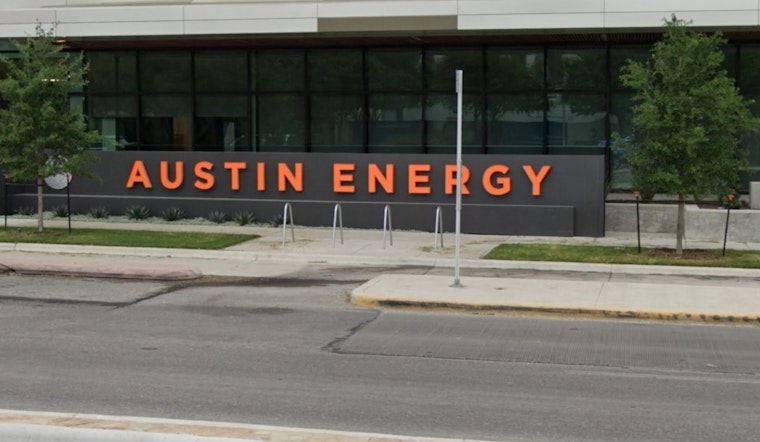
As Austin Energy grapples with its generation plan amid environmentalists' criticisms, city officials and concerned citizens are ramping up discussions on how to fuel the metropolis's future without leaving a carbon footprint. According to a recent meeting of the Austin Energy Utility Oversight Committee, General Manager Bob Kahn and COO Lisa Martin updated the City Council on plans for achieving carbon neutrality by 2035, as reported by the Austin Monitor.
Environmentalists Al Braden and Diana Prechter urged the Council to take more aggressive steps to cut fossil fuels from the utility’s portfolio. Braden emphasized the importance of upholding the commitment to avoid new fossil fuel plants and expressed concerns over potential plans for a gas plant at either Decker Creek or Sand Hill power stations. Kahn outlined a timeline for finalizing the new resource generation plan, initially launched in the spring of 2023, and expected to present final recommendations from the Electric Utility Commission working group to the Energy Utility Commission on Feb. 12.
In the final stretch, members of this working group, including high-profile environmentalist Paul Robbins, have coalesced around a 23-page report. The document set forth a no-fossil-fuel mandate post-2035 and advised a gradual phase-out of current fossil fuel plants. Robbins, in particular, expressed his deep skepticism regarding a proposed hybrid plant that would begin operations using natural gas with an aspiration to transition to hydrogen, recommending "further study," as he shared with the Austin Monitor.
The council is under pressure to review these recommendations swiftly, with plans for the oversight committee to convene on Feb. 27 and vote just two days later. However, Council members including Alison Alter, Vanessa Fuentes, and Ryan Alter argue that this short timeframe won’t allow adequate deliberation for such a complex issue. These concerns arise amidst Austin Energy's report that a significant 57.2 percent of its electricity still comes from nonrenewable sources.
Austin Energy, a “vertically integrated” utility unique in its operation of power plants and control over transmission and distribution systems, maintains a balancing act between buying and selling power within the ERCOT market. Spokesperson Matt Mitchell described the utility's diverse production agreements ranging from solar and wind to nuclear and coal plants, playing a crucial role in providing low prices for customers. This strategy has reportedly resulted in Austin having the second-lowest prices in the state, trailing only El Paso, as Mitchell highlighted to the Austin Monitor.
Amid these developments, customer priorities remain mixed. A utility survey shows a close split, with reliability, affordability, and environmental sustainability all vying for top concerns among energy users. The utility plays a crucial balancing act in adhering to its customers' diverse values while navigating the path toward a greener future for Austin.





