

























































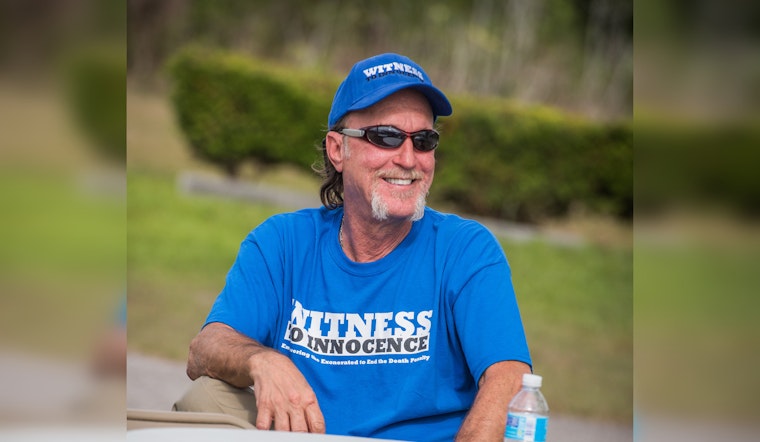
After spending a decade behind bars for a murder conviction that DNA evidence overturned, Arizona man Ray Krone is dedicating his life to aiding death row exonerees. As reported by ABC15, Krone, who was the 100th inmate to be exonerated since the reinstatement of capital punishment in the U.S. in 1976, co-founded Witness to Innocence with Sister Helen Prejean, an organization for death row survivors.
In 1992, wrongly convicted based on flawed bite mark evidence. Even as Krone has found a peaceful life near the Smoky Mountains in Eastern Tennessee, he carries his mission forward, speaking at the United Nations and Congress to foster awareness about wrongful convictions.
The Maricopa County Attorney's Office (MCAO) under the tutelage of Allister Adel announced the formation of a Prosecution Integrity Unit to review post-conviction innocence claims. Having taken the mantle after Bill Montgomery's promotion to the Arizona Supreme Court, Adel now has her sights on making sure "the process was better," as she highlighted to ABC15. Rachel Mitchell, memorable for her role in questioning Christine Blasey Ford during the Brett Kavanaugh Supreme Court hearings, will lead the unit.
However, despite such institutional advancements, Ray Krone remains skeptical but hopeful, acknowledging the "wild goose chase" objections from former prosecutors like Noel Levy which delayed his exoneration. With eagles of justice like Mitchell in flight, heading up the unit, Krone and many advocates are waiting to see if the initiative will truly unfold its wings. While the formation of the unit signals a shift towards enhanced scrutiny of previous convictions, Krone noted to ABC15 that "it would take a few people to be effective at it, but you have to start somewhere. I'll give them credit for trying."
Critics, such as Adel's Democratic opponent Julie Gunnigle, regard this move with caution. Gunnigle labels it "another, you know, smoke and mirrors attempt to continue the legacy of Bill Montgomery and make surface level reforms that don't actually get the job done." As the Arizona Justice Project yearns for a quickening in accessing evidence and reports, the success of the Prosecution Integrity Unit remains in the balance of its commitment to staffing and resources, echoing Krone's sentiment for a genuinely effective system.





-4.webp?w=160&h=400&fit=crop&crop=edges)