

























































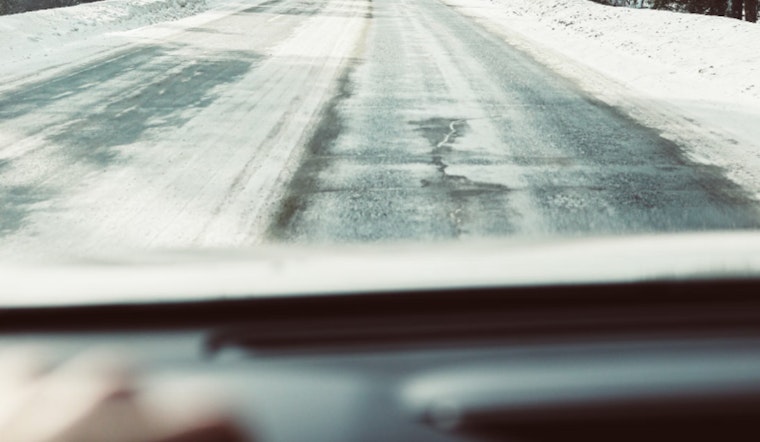
As winter grips the northern United States, cities sprinkle the streets with road salt and brine, providing crucial traction for drivers braving icy conditions. However, these substances are a double-edged sword. Road salt and brine might be keeping commuters safe, but as the Houston Chronicle reports, the chloride in these mixtures poses a significant threat to our vehicles, causing corrosion that can chip away at paint and leave cars rusted.
In Houston specifically, the city opts for brine, a saltwater solution to preemptively deter ice formation. This approach, celebrated for its ability to prevent snow and ice from clinging to the ground, is less than ideal for car health, cited by experts and the AODetail blog as potentially more harmful than rock salt. Brine can infiltrate the vehicle's underbelly, reaching places solid salts can't, and complicating the corrosive nightmare. Furthermore, warmth accelerates the damage, urging vehicle owners to avoid sunny spots, and warm parking lots if a car wash is not immediately accessible.
Up in the frosty northeast, the scenario is no less grim. The AODetail blog notes that the compounds, including road salts, when used in abundance across state lines – like the staggering 12.6 million gallons of brine and 801,453 tons of road salt in Pennsylvania – ravage metal surfaces, infrastructure, and even freshwater bodies. Beyond aesthetic concerns, the real issue lies beneath. Brakes, fuel lines, and other critical undercarriage components face the highest risk of corrosion and future failure due to prolonged salt exposure.
So how can drivers spot the insidious onset of salt damage? Look for fading paint, corrosion, and dreaded paint bubbles, particularly on flat panels that soak up the most sunlight where salt loves to sit and feast. If you catch these signs, AODetail suggests acting swiftly. To mitigate the risks, clean your car regularly, apply protective waxes, touch up chips in your paint, and whenever possible, park your pride and joy out of the sun'sreach. AODetail can also provide stronger defenses like ceramic coatings or paint protection films. As always, maintaining vigilance against the inevitable winter onslaught is key to longevity for your transport investments.





