

























































In a crackdown against illegal animal trade, six Cuban nationals in Houston face federal charges for purportedly trafficking over 300 protected songbirds. The accused could potentially be slapped with five years behind bars for violating the Lacey Act, and a two-year term for breaching the Migratory Bird Treaty Act, coupled with fines that could soar up to $250,000, as reported by the Houston Chronicle.
The songbird smuggling operation appears to have included indigo buntings, painted buntings, rose-breasted grosbeaks, blue grosbeaks, and house finches, with the traffickers using social media and Houston airports' ride-share community to conduct their business, the U.S. Fish and Wildlife Service's Douglas R. Ault revealed to the Houston Chronicle. The birds are prized in Latin American singing competitions that can rake in cash prizes, which in turn drives a strong market for these avian captives, according to Rice University's Rafael Marcondes.
Songbirds flutter through the Texan skies twice annually only to potentially fall prey to illegal trappers, thanks to their vibrant colors and the sweet tunes they belt out, lured by deceiving tactics like glued seeds and misleading bird calls, the Chron.com highlighted; yet, their capture marks the beginning of a perilous journey as the caged existence often curtails their life's song prematurely, with many not surviving the transition due to poor conditions and incompatibility with life in confinement.
The indicted group from Cuba are marred by allegations of trapping these creatures using homemade traps and profiting off them in places such as local flea markets, Victoria Owens, FWS special agent in charge, expressed concern about the brazen nature of the trade that even unfolds in online marketplaces like Facebook, the individuals from Houston now must account for, as they await trial with the exception of one who opted for a plea deal in December; the fish and wildlife service and Texas Parks and Wildlife Department encourage the community to report any unlawful trapping activities they stumble upon.
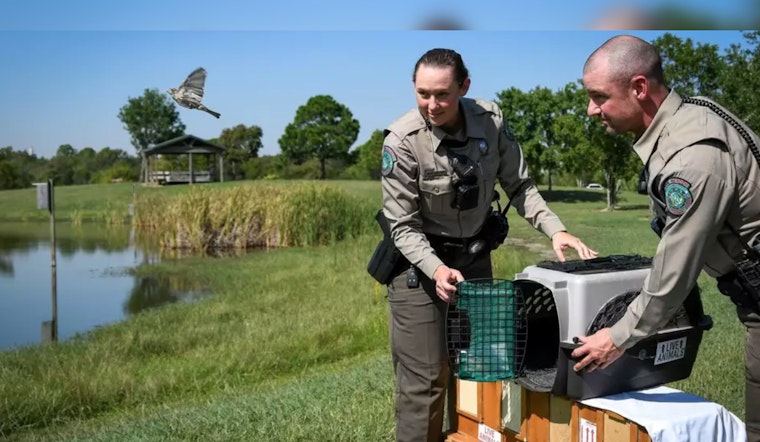
Whether the songbirds chirped in harmony upon their rescue or remained mute, the Texas Parks and Wildlife Department entrusted them to the Houston Zoo and Moody Gardens, where they received care, a picture moment, and for the robust ones, a ticket back to the wild, where they naturally belong.





-4.webp?w=160&h=400&fit=crop&crop=edges)

