

























































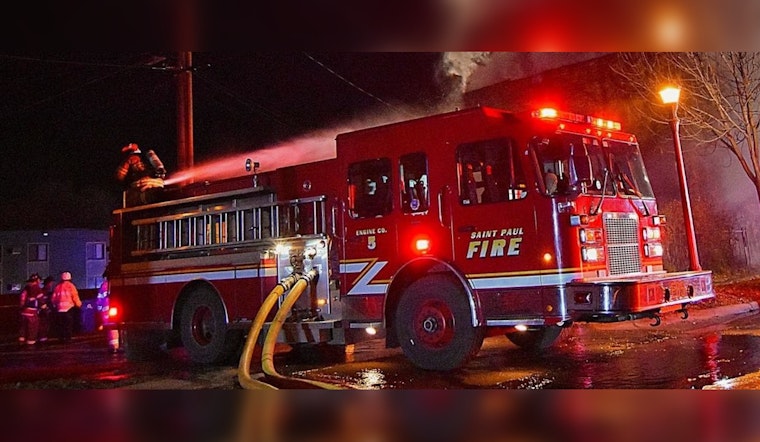
A tragic fire that engulfed a St. Paul residence on January 3, claiming the lives of four children, is a stark reminder of the necessity for households to have an escape plan. The deadly incident, which also hospitalized an adult and six children due to severe smoke inhalation, has prompted calls from safety officials to prepare escape strategies to be used in emergencies.
The early days of January, typically consumed by the hustle of resuming routine post-holiday festivities, tend to lull many into complacency regarding fire preparedness. Notwithstanding, State Fire Marshal Dan Krier has warned of the fatal risks of neglecting fire safety. "It's really important to have that home escape plan to know how you're going to get out. And then it's really important to practice it," Krier emphasized.
According to Krier, having a functional smoke alarm shortens the window to a mere three minutes for a safe evacuation during a fire outbreak. The SFM division thus advocates for strong attention to pre-meditated escape pathways, including alternate routes through windows or doors and plans for higher floors. The message is clear: in a life-threatening blaze, every second counts, and pre-planned escape routes are lifesavers.
Smoke alarms should be installed in strategic locations across one's residence—each bedroom, outside sleeping areas, and every level of the house, including the basement. They are most effective when placed on the ceiling, or less than 12 inches below it if on a wall. The winter season also sees a surge in carbon monoxide (CO) poisoning incidents, necessitating the installation of CO alarms near bedrooms. "If a CO alarm sounds and you feel ill, call 911 immediately," cautions the SFM's advice on their website.
Furthermore, the functionality of alarms is pivotal; they must be tested monthly, with battery replacements at least once annually. Fire officials stress the lethal consequences of neglect—without functioning smoke alarms, survivability during a house fire plummets by 50%. For more information on developing a fire escape plan, visit the State Fire Marshal's website.





