

























































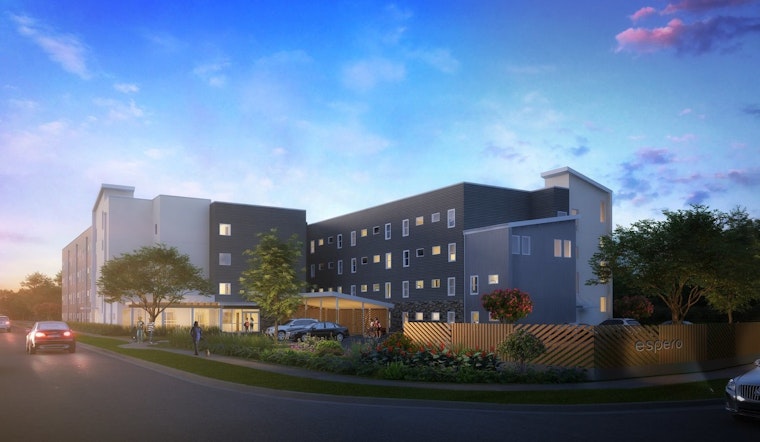
In a city where the skyline is often a barometer of prosperity, the Espero Rutland stands as a beacon of hope for the chronically homeless, opening its doors in North Austin to provide not just shelter but a stepping stone to stability. According to an interview with KVUE, the complex run by nonprofit Caritas of Austin, will offer its 171 tenants, hailing from the harsh grip of homelessness, a place to call home, with rents capped at a humane 30% of their monthly income.
The move is a concerted thrust against the tides of economic disparity, the apartments are funded by a medley of private investors and City of Austin bonds, and for residents like Felicia Perkins—who once endured the relentless chill of the streets for over two decades it represents a profound turn of the page; "I have been helped, found a place to stay get off those streets," she told KVUE, she now looks ahead to joy-filled days spent flipping flapjacks, laughter with her grandchildren, and the simple but once-distant warmth of a home.
Reinforcing the notion that a roof over one's head is just the beginning, the Espero Rutland pledges a network of on-site resources, including personalized housing support, educational guidance, employment assistance, as well as food and health services; envisioned as a safety net no longer woven from flimsy threads of short-term fixes but built as a durable foundation for rebuilt lives. In a statement obtained by Community Impact, the site will also be staffed by peer support specialists who have triumphed over their own battles with homelessness, substance abuse, and PTSD.
The hinges of the Espero Rutland's doors turn on the crucial intersection of federal, state, and city backing. With a total price tag of approximately $34 million, the development is but a chapter in the longstanding narrative of Austin's affordability crisis, it underscores the dire need for deeply affordable housing that would enable the working class to secure a sustainable livelihood. "The motivating factor for Espero Rutland was the gap of deeply affordable housing that leaves many working people unable to afford a place to live," the nonprofit, Caritas of Austin, expressed in the same Community Impact report.
Through the fabric of these new homes, we glimpse the potential of systemic compassion, where support stitches together more than just four walls and a ceiling but the elusive promise of futures once deferred, now within grasp.





