

























































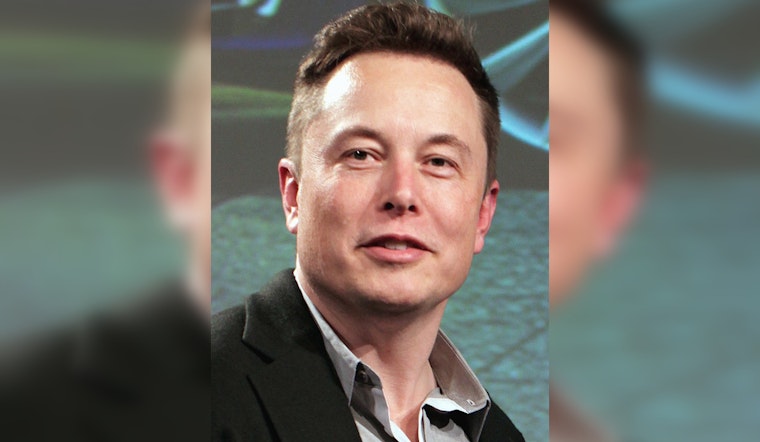
Elon Musk, the billionaire CEO of Tesla, is pushing to uproot the electric car giant's incorporation from Delaware to Texas following a legal setback. A Delaware court recently axed Musk's enormous $55.8 billion compensation package, prompting him to get vocal on the social media platform X. As reported by The Wall Street Journal, Musk has announced that Tesla will "move immediately to hold a shareholder vote" on the potential relocation to Texas.
In reaction to the court's rebuke, Musk did not slowly approach the ire he harbored but brazenly declared his disillusionment with Delaware, urging companies to refrain from incorporating there. "Never incorporate your company in the state of Delaware," Musk posted on X, sharing his sentiments after the Tuesday ruling. He followed up by running an informal poll on X, where the overwhelming majority of his followers voted in favor of moving Tesla's incorporation to Texas. This data was provided by The Austin American-Statesman which detailed the issue at length.
The criticism comes after the court found a flaw in the process through which Musk's pay package was approved. With Tesla silent on whether it will appeal the decision or not, Musk's maneuver to possibly shift Tesla's base highlights a broader frustration with increasing litigation against companies in Delaware, despite the state's century-long reputation for being a corporate utopia for more than a million businesses and the majority of Fortune 500 firms. Delaware's Court of Chancery, a hub for business disputes, specifically drew Musk's ire.
Meanwhile, Texas has been steadily attracting new businesses and in an attempt to do so further, recently passed a bill to emulate Delaware's business court system. Governor Greg Abbott even weighed in, declaring a "landslide victory for Texas" in Musk's public poll. However, skepticism persists among experts on whether Texas could successfully rival Delaware's sophisticated court system. "The capital you're going to have to expend to create a real business court with that expertise is going to be a lot more, frankly, than the income it produces," Charles Elson, founding director of the Weinberg Center for Corporate Governance at the University of Delaware, told The Wall Street Journal.
As Musk flirts with the idea of reestablishing Tesla's home turf, the awaiting shareholder vote will dictate whether the grasp Musk has on his corporation's destiny can reposition it under Texas' burgeoning corporate law environment. With Texas' business court not set to go into effect until September 1, it remains to be seen whether Musk can indeed successfully transplant Tesla's roots from the traditional ground of Delaware.





