

























































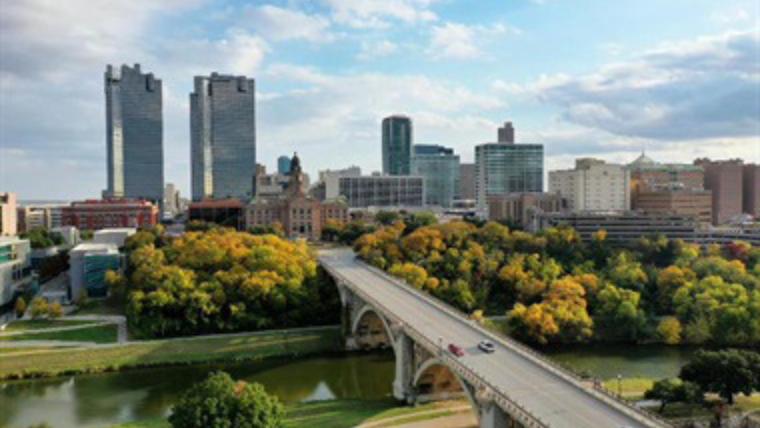
Fort Worth is banking on becoming greener with an ambitious urban forest plan. The city's initiative not only seeks to protect existing trees but also mandates the planting of new ones whenever development takes a toll on the canopy. The overarching aim is a 30% overall canopy cover, a challenge in a city that's half-developed and losing about 2,500 acres of open space annually to development, according to the City of Fort Worth.
With this growth, officials argue, comes an urgent need to quickly enact urban forestry regulations. The plan has to incentivize the preservation of mature trees, offering credits for keeping them rooted and imposing mitigation requirements if they're felled. This green initiative is seen as a cost-effective measure that could significantly elevate the quality of life while providing economic benefits like reduced cooling costs, increased property values, and minimized stormwater runoff.
The Urban Forest Master Plan outlines a future where Fort Worth's natural assets become a greater part of the cityscape. This blueprint includes fostering tree equity, resilience against urban heat, and improvements in air quality and human health. It is still under review, awaiting a green signal from the City Council.
Stakeholders have been heavily involved in shaping this vision, with community engagement exercises spanning four months. Organizations like Bartlett Trees, Streams and Valleys, and the Texas Forest Service have all had a hand in arriving at these recommendations. One key proposal includes a thorough inventory of public trees, which will likely roll out changes to maintenance and the city's tree standards. Due to expanded cooperation between departments, the plan looks to integrate urban forest strategies more deeply into the growth and development of Fort Worth.
A concerted effort will also go into public communications, ensuring that every resident of Fort Worth understands the value of the urban forest, and how they can contribute to its growth and care. The push for sustainable funding sources will ensure that this green vision is more than just a fleeting gesture. Plans to repurpose urban wood waste could also bring a tangible, environmentally-friendly byproduct of the urban forestry initiative.





