

























































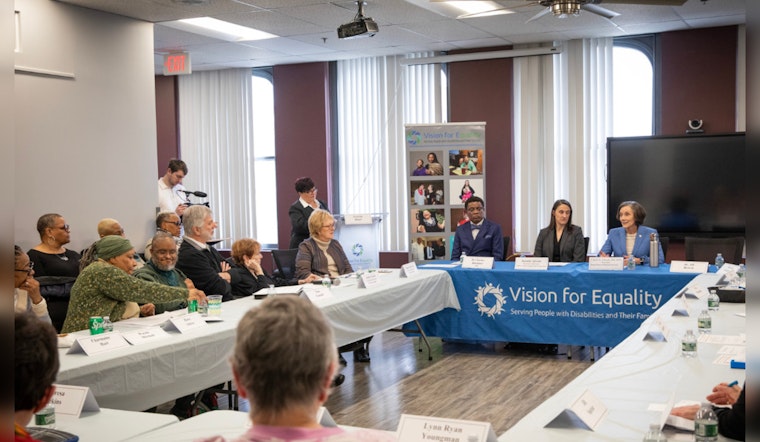
In a roundtable that could change the game for Pennsylvanians with intellectual disabilities and autism, Gov. Josh Shapiro's budget rings in with impressive promises. Announced by the Department of Human Services (DHS), the 2024-25 budget proposal is staking claim to major funding boosts for home- and community-based services. Secretary Dr. Val Arkoosh underscored the plan's potential, highlighting transformative investments aimed to erase the emergency waiting list for adult services over the next few years. "When people are waiting for services, we are not meeting this goal," Arkoosh told the Department of Human Services.
Governor Shapiro isn't just talking a big game – he's putting money on the line with a $483 million infusion from both federal and state coffers. This cash is expected to pump up reimbursement rates for service providers, a move designed to elevate wages for the often overlooked direct support professionals. These are the workers who, dedicated to their call, make daily independence a possibility for Pennsylvanians grappling with intellectual challenges. The budget aims to do more than scratch the surface, addressing not only the pressing issue of workforce recruitment but also the crucial aspect of retention.
Shapiro's strategy departs from the conventional "slots" allocation to counties, a method that has long restricted the number of people getting services. Instead, counties will now manage an overall budget, offering the much-needed elbow room to serve more based on need, service usage, and cost. Paired with an immediate release of additional program capacity, this shift heralds a new dawn of opportunity, starting with services to an extra 1,650 Pennsylvanians this year. The proposed budget aims to bankroll this initiative by earmarking an additional $78 million to assist another 1,500 individuals next fiscal year.
Long-standing advocates of the ID/A community are lining up in support of the Shapiro administration's bold move. Tom Carasiti, a Community Advisor for Vision for Equality/PA Waiting List Campaign, praised the budget proposal, labeling it unprecedented in a twenty-five-year history plagued by waiting lists. "This is a historic and monumental plan," Carasiti told the Department of Human Services. Editorial boards and caregivers across the state are echoing that sentiment, hailing Shapiro's strategy as a much-needed "lifeline" for those entangled in the waiting list web.
These proposed investments signify more than just financial allocation; they represent a monumental shift in the recognition of rights and the provision of care for Pennsylvanians with intellectual disabilities and autism. With an eye on the long term, Shapiro's budget shoots to elevate Pennsylvania as a bastion of home-based and community services, an aspiration that now waits on the consensus of the General Assembly to turn potential into practice.





