

























































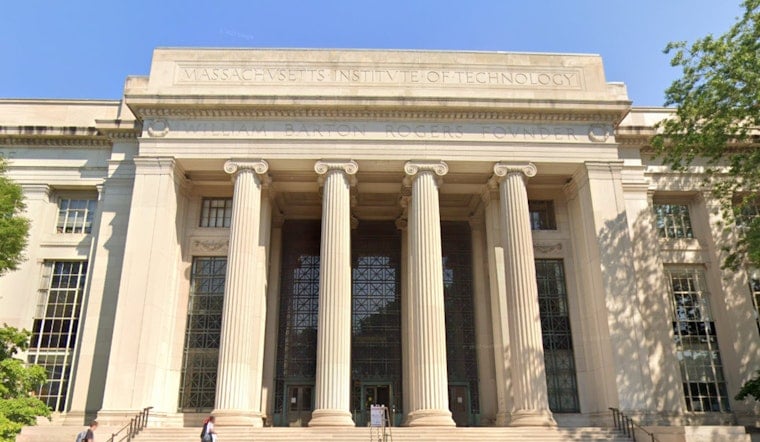
MIT engineers are stepping up the science on landslides and earthquakes, taking a deep dive into the inner workings of granular materials in a way the world hasn't seen before. Breaking new ground, they've unfurled a method to peer into the crux of how landslides ignite and earthquakes rock with a 3D twist, made available in a MIT publication.
Common yet unpredictable, granular materials like sand and cereal have kept scientists scratching their heads, especially when it comes to doorstep disasters like landslides, but MIT's latest experiments shed light into their shifty ways, all in vivid 3D detail. Professor Ruben Juanes and alum Wei Li, now at Stony Brook University, are the magicians behind the method, casting light on the force chains knitting together granules under stress, important because knowing where these chains break could one day flag a landslide before it tumbles down, but that's tomorrow's news as these pioneers admit the road to such applications is long, though brimming with promise according to MIT's dispatches.
Traditionally sidelined by flat, 2D models missing half the story, researchers now invoke the power of polarized light to illuminate the stresses in their jumble of particles, surfacing scenes of chromatic intensity folding into the curious geometries of force itself, MIT reports detail. Juanes and Li are enthralled by this 'dream project' that offers a granular X-ray view, painting stress in strokes of color, presenting a dramatic turn from the grayscale granular mysteries of yesteryears.
MIT's advanced imaging techniques aren't just about natural disasters. They also help in industries and even studying fish eggs' movement. Understanding how granular materials behave is crucial in many fields. Their work, published in PNAS, is changing how we deal with these materials, promising to revolutionize various aspects of our lives.





