

























































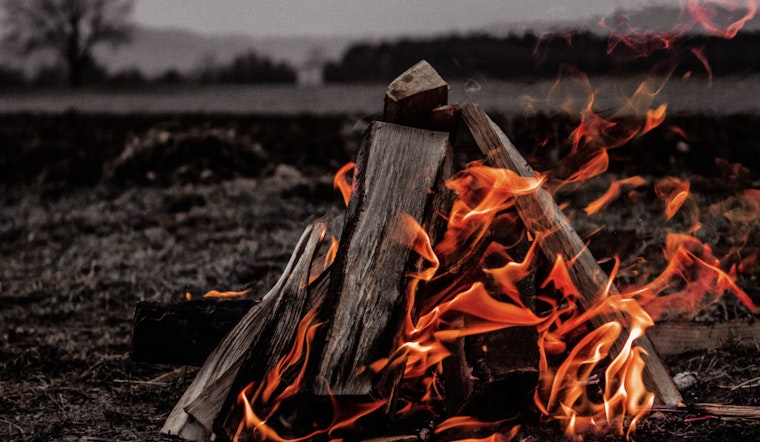
As Pennsylvania's foliage dries up and the winds pick up, state officials are sounding the alarm on the increased risk of woodland fires across the region. In a recent warning, the Department of Conservation and Natural Resources, alongside the State Fire Commissioner, are calling on the public to exercise caution when lighting fires outdoors this spring.
According to a release from the DCNR, Secretary Cindy Adams Dunn said, "We know that, a simple act of carelessness when lighting a camp or bonfire could prove disastrous among tinder-dry conditions in some of our forests." The same statement saw State Fire Commissioner Thomas Cook highlight the spring months from March through May, and autumn in October and November as peak times for wildfires, a concern echoed by the department's previous findings — a staggering 99 percent of wildfires in the state being caused by human activities.
Dry grass, leaves, low humidity, and windy conditions can combine to create the perfect storm for such wildfires, often exacerbated by negligence. Just last year, over 1,900 wildfires burned through approximately 9,186 acres of both state and private woodlands in Pennsylvania, leading to injuries and fatalities. "Taking the necessary precautions and practicing fire safety will prevent most brush and wildfires," Cook emphasized, urging citizens to be mindful of fire use, and the importance of keeping the environment and local firefighters safe.
The DCNR website advises residents to keep fires small, never leave them unattended and, clear the area of combustibles before lighting any fires. They also recommend having water or a hose, and a rake handy to control escaping embers. Directing Pennsylvanians to their online resources, the DCNR stresses the value of checking for elevated fire risks before any open flame activities.
The guidance continues with common-sense tips that can avert disaster — monitoring the weather, especially for Red Flag Warnings, observing burn-ban areas, and thoroughly extinguishing fires until ashes are cold. These precautionary measures are simple yet vital actions that citizens can undertake to protect their communities from the devastation of wildfires.





