

























































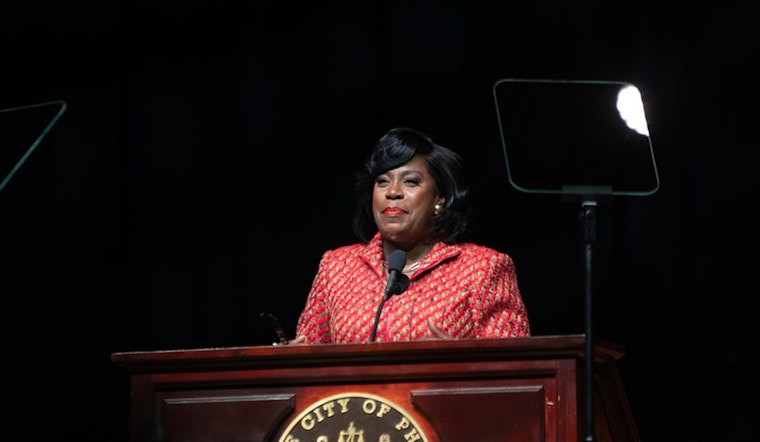
Mayor Cherelle L. Parker of Philadelphia has revealed her blueprint for the city's fiscal future, pitching a $2 billion investment over five years, with her so-called 'One Philly Budget'. Parker, in a speech to the City Council on March 14, broke down her first proposed budget since taking office, earmarking funds aimed at improving public safety, cleanliness, and green spaces, while also fostering economic opportunity, housing, and education. The details of her address and budget plans are available for public scrutiny on the city's official website.
In delivering her budget address, the Mayor painted a positive picture of the city's fiscal health, citing contributions to the Budget Stabilization Reserve fund, which thanks to Councilmember Katherine Gilmore Richardson's leadership, have been substantial. With Philadelphia's pension fund on the rise, projected to reach 80 percent funding by FY29 and full funding by FY33, Parker's administration stays committed to fiscal responsibility. However, walking a tightrope, she also acknowledged the lean projected fund balances and the weighty legacy of past debts, including a staggering $80 million balloon payment looming in FY29. reported Philadelphia's official website.
Amid these challenges, the Mayor asserted her administration's dedication to fiscal stability. "I’ll make sure my Administration is a responsible steward of the City’s finances," she declared. Moreover, Parker won over some Philadelphians by promising no new taxes, a pledge highlighted with particular emphasis during her budget announcement. The Mayor seems to echo the sentiments of a community that craves visible change more than political rhetoric.
Despite financial pressures, Parker's budget does not shy away from ambition, infused with $2 billion in new operating and capital dollars. These funds are set to be distributed across five main pillars she deems crucial for Philadelphia's improvement. And while Parker didn't hold back on outlining the fiscal hurdles ahead, she eagerly promised new methods of service delivery that will potentially rejuvenate the way the city operates. Reflecting on the people's skepticism grounded in historical disappointments, she quoted James Baldwin, "I cannot believe what you say, because I see what you do."





