

























































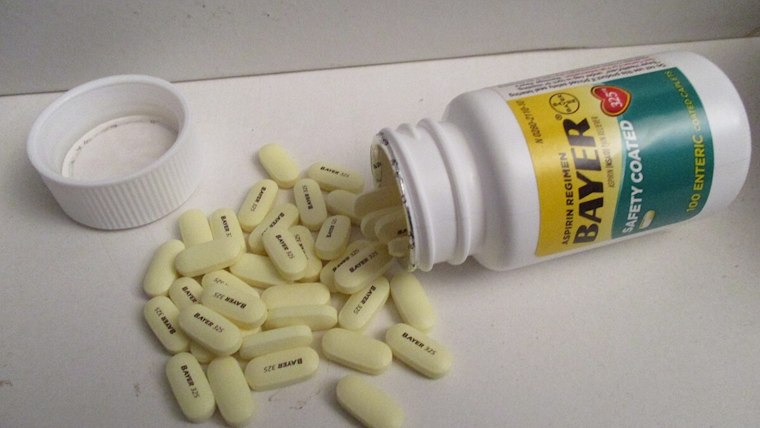
It's time to rethink the daily aspirin regimen for preventing heart conditions, as recent research suggests that following this practice may now be considered outdated, especially among older adults without a history of cardiovascular disease. According to a WWJ report citing a University of Michigan poll, over half of adults aged 50 and older who take aspirin regularly have never had a heart attack or stroke, while a significant 31% are not even aware of the potential bleeding risks.
The poll, which took a closer look at aspirin use among this demographic revealed that 42% of people between the ages of 75 and 80 are habitually popping aspirin, the University of Michigan's National Poll on Healthy Aging suggests a need for more personalized medical advice, and the University of Michigan visibly states the importance of consulting healthcare providers before making any changes to aspirin intake, however, many individuals are not informed about the changes in guidelines that advocate for aspirin use largely among those with a pre-existing cardiovascular condition. Dr. Jordan Schaefer, a hematologist at Michigan Medicine, was quoted in a University of Michigan report, asserting, "Aspirin is no longer a one-size-fits-all preventive tool for older adults."
Furthermore, the American College of Cardiology and American Heart Association now recommend that only select individuals between 40 and 70 years at an increased risk of cardiovascular disease but not at risk of bleeding might consider using low-dose aspirin daily. These findings suggest that a significant overhaul of public understanding regarding aspirin use is necessary. As Dr. Geoffrey Barnes, a cardiologist from Michigan Medicine, told Medical Xpress, "Preventive aspirin use should be based on age plus these factors," reinforcing the urgency for a tailored approach.
The disconnection between current knowledge and public practice highlights considerable gaps in communication; it is evident that ongoing dialogue between healthcare providers and patients about medications, including over-the-counter options, is vital the poll conducted by NORC at the University of Chicago for the Institute for Healthcare Policy and Innovation, which was weighted to reflect the U.S. population, also showed that a majority of individuals taking aspirin on the advice of their healthcare provider did not have a history of cardiovascular disease, yet another indication that the message about the new guidelines has not been properly disseminated.
In light of these findings, healthcare professionals are urged to engage in thorough discussions with their patients concerning the benefits and risks associated with aspirin usage as well as to consider the full spectrum of a patient's individual health profile. The University of Michigan's recent poll findings will likely serve as a catalyst for such necessary conversations moving forward.





