

























































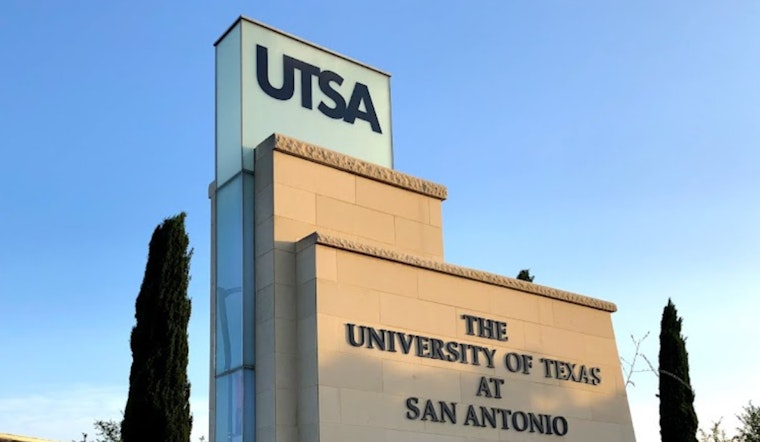
Texas is on the move to prep its higher ed for the AI revolution, with The University of Texas at San Antonio (UTSA) at the forefront, creating a new college for artificial intelligence, cybersecurity, computing, and data science. The move is not just about keeping educational institutions current but also about prepping the workforce for an AI-saturated future.
UTSA President Taylor Eighmy understands the urgency, acknowledging to The Texas Tribune the widespread demand for AI proficiency: "It doesn't matter if you enter the health industry, banking, oil and gas, or national security enterprises like we have here in San Antonio. Everybody's asking for competency around AI." Insights from UTSA project a 27% spike in Texas AI and data science jobs over the next decade, a nod to the growing clout of AI in the job market.
But UTSA's initiative is more than a response to market trends—it's a commitment to shaping the technology as it evolves. Jonathon Halbesleben, dean of UTSA’s business school and co-chair of the task force to establish the new college, told The Texas Tribune, “We'd love to have them be career-ready to jump right into the ability to sort of shape AI and how it's used in their organizations.”
Statewide, the Texas Higher Education Coordinating Board is plotting to map AI activity across community colleges and four-year universities, pushing for a collaborative approach that does away with redundant efforts. Commissioner Harrison Keller highlighted the pace at which AI is advancing, emphasizing the necessity of shared knowledge and alignment with industry standards.
Meanwhile, other Texas schools are stepping up. The University of North Texas and the University of Texas at Austin have unveiled graduate programs and certificates geared towards AI, while Houston Community College recently announced a bachelor’s degree program in AI and robotics. UT-Austin is doubling down on AI, declaring 2024 the "Year of AI" and launching an affordable online master's degree program.
Despite the excitement, there's caution in the wind. Some, like Lance Eaton, director of faculty development and innovation at College Unbound, see potential pitfalls in a hasty embrace of AI. "Right now, it feels like it’s a money grab," he indicated, suggesting that a serious commitment to AI involves a deeper overhaul of educational curriculum than merely introducing new programs.
He's not alone in his concern for the fundamentals. Keller and Eaton both recognize the irreplaceable value of critical thinking and communication skills—a liberal arts education bedrock—as essential for navigating and leveraging AI technology effectively.





