

























































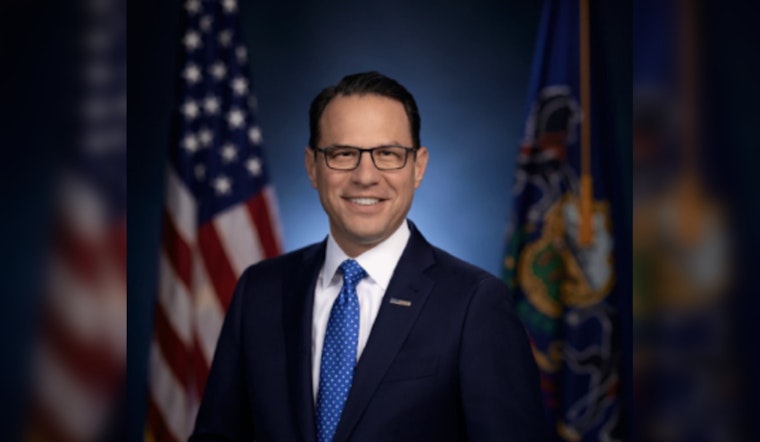
In a move praised by advocates for reproductive rights, Pennsylvania Governor Josh Shapiro has put forth new guidelines urging health insurers to cover over-the-counter contraception, including the recently approved Opill. As reported today, the initiative aims to eliminate financial barriers and ease access to birth control, potentially saving women in the state up to $250 annually. Shapiro emphasized that affordable access to contraception is a critical aspect of personal freedom and healthcare.
In correspondence obtained by the Governor's office, insurers are encouraged to bypass the lengthy drug exceptions process, which in the past, has proved to be a barrier for many seeking reproductive healthcare. “For millions of women, birth control represents personal freedom and the ability to make choices over their bodies. Now it’s time that insurance companies step up – I believe no one should be denied access to birth control because they can’t afford it,”
The Pennsylvania Insurance Department (PID) will hold insurers accountable for their coverage policies, demanding compliance with federal law regarding contraceptive care. Insurers not offering coverage for OTC contraception will need to justify their position, ensuring that bureaucratic hurdles do not obstruct access to contraception. Shapiro has long been an advocate for reproductive rights, as evidenced by numerous actions, including a multi-state alliance asking federal agencies to ensure insurance coverage for the Opill birth control pill, as described in a statement last December.
The groundbreaking OTC birth control option Opill, which received FDA approval for non-prescription use to prevent pregnancy, is now available without a prescription. A one-month supply of the medication currently runs about $20, and while this may not seem steep, the cumulative cost over time can be a significant financial strain for many, particularly for those living from paycheck to paycheck. Michael Humphreys, Pennsylvania Insurance Commissioner, reaffirmed in a statement, “The U.S. Congress has identified opportunities for insurers to improve access to contraceptive care. PID, too, has identified that such opportunities exist among Pennsylvania’s health insurance plans. We can do better. The Shapiro Administration is committed to protecting Pennsylvanians’ freedom and ensuring they are empowered with choices in their reproductive health care, and covering OTC contraception as a best practice, as a few of our insurers do today, is a nation-leading step forward.”
The Shapiro Administration stands firm on continuing the push for affordable access to healthcare. This includes ensuring OTC contraceptives like Opill are covered by insurance plans without undue complexities, highlighting Pennsylvania as a leader in national reproductive healthcare initiatives.





