

























































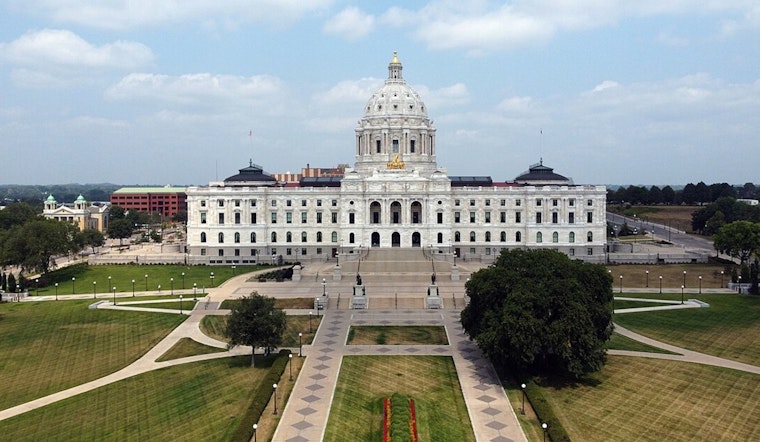
In Minnesota, the end-of-session legislative negotiations are teetering on the brink, as the Democratic-Farmer-Labor (DFL) majority contends with Republican demands. According to a statement from DFL leaders, Republicans want "total control of the legislative agenda and the return of partisan gridlock" and are accused of putting political antics over progress.
House Speaker Melissa Hortman and Senate Majority Leader Erin Murphy have made it clear that they won't yield to what they view as excessive Republican demands, in a political standoff that's been simmering in the state’s capitol. "Earlier today, Leaders Demuth and Johnson indicated they would provide the handful of votes needed to pass a capital investment bill in exchange for two simple things: total control of the legislative agenda and the return of partisan gridlock," the DFL leaders stated. Both sides appear to be in agreement over the importance of bonding and funding for Emergency Medical Services, yet the route to bipartisan consensus is still congested by friction.
The DFL's response to the Republican proposal has been a mixture of inclusion and criticism. They contend they’ve been fair by including the minority in leadership talks and on committees, three-quarters of which include Republican representation. This acknowledgment of bipartisan effort serves to highlight the current impasse wrought by the GOP's strategic machinations.
What's more, the DFL leadership accuses their Republican counterparts of jeopardizing the completion of important work by intentionally throwing up roadblocks and delays on the floor, in negotiations, and again today by attempting to score political points with the press and public. Nonetheless, they express a glimmer of optimism, noting, "We appreciate the Republican leaders accepting our offer to meet, and hope they can come to the ongoing negotiations in good faith and with an earnest dedication to the best interests of the people of Minnesota." The question remains, however, whether, this fractured legislature can find common ground amidst the ticking clock of legislative deadlines.
As Minnesota's leaders return to the negotiation table, constituents watch with a wary eye, hoping that the gridlock gives way to actionable agreements for the state's pressing needs. Commitments have been voiced, yet the proof will be in the legislation that passes—or fails to—as the session's end looms large.





