

























































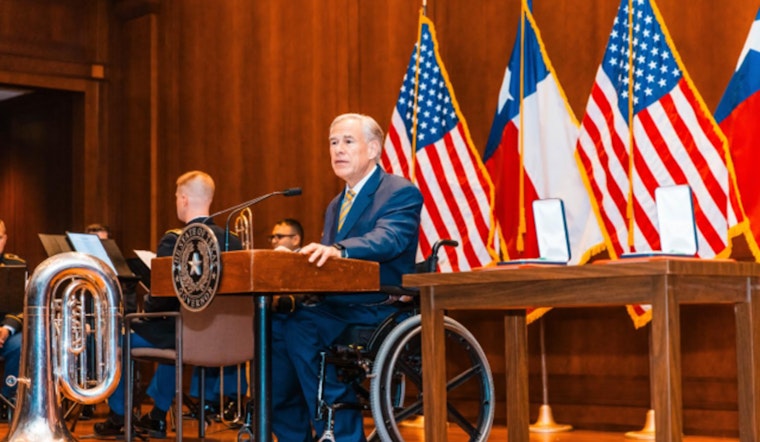
Texas Governor Greg Abbott is throwing his weight behind the Texas Education Agency's (TEA) announcement of new open education resource (OER) instructional materials, a move poised to change the landscape of learning across the state, as reported on Wednesday. "The materials will also allow our students to better understand the connection of history, art, community, literature, and religion on pivotal events like the signing of the U.S. Constitution, the Civil Rights Movement, and the American Revolution," Abbott said in a statement, underlining the significant focus on core subjects and fundamental events that shape American understanding.
The new instructional resources, which aim to reinforce basics in math, reading, science, and more, will be subject to the Texas State Board of Education's (SBOE) meticulous review process, ensuring they are aligned with the Texas Essential Knowledge and Skills (TEKS) and last year, Abbott signed House Bill 1605, a mandate for the development of such resources, especially in critical grade levels from Pre-K to the 8th grade, the TEA has also been directed to form an advisory board to keep the materials up to the highest quality and under the strict compliance with suitability requirements. Texas schools opting for SBOE-approved materials will score additional state funding, and should they choose the OERs once approved, they're looking at a second funnel of funding specifically allocated to aid with printing costs.
This educational push isn't just for the classrooms, as the OERs will be available online for free, creating an invaluable window of opportunity for Texas parents and families to access and support their children's education at home. Governor Abbott's emphasis on education that provides "a robust educational foundation to succeed" appears to resonate with a vision of the future that recognizes the profound impact of educational materials that are not just widely available but are also deeply connected to the rich fabric of history and societal structures.
Texas' approach in adopting OERs represents an attempt at striking a balance where the finitude of resources does not need to impede the quality and reach of educational support, as it gazes hopefully towards a brighter future scaffolded by informed and fundamental learning—and with the added financial incentives for districts to jump on board, it's clear that the Lone Star State is looking to take a lead in reshaping the educational experience for generations to come.




