

























































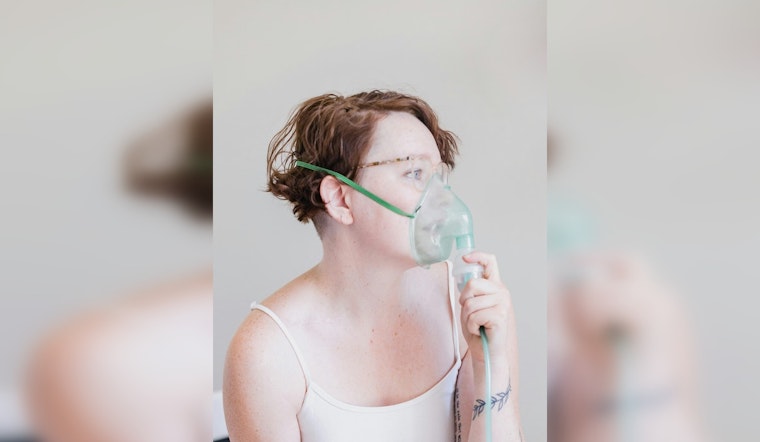
Austin's notorious humidity has struck again, bringing with it a spike in asthma-related discomfort. Health experts from the local area have pinpointed the unwelcome mixture of high humidity, hazy skies, and elevated heat index figures as a trifecta of troubles, causing those with asthma to suffer intensified symptoms. Dr. Hetu Parekh, an allergist at Austin Regional Clinic, warned about the effect of humid air on asthma in particular. "Hot, humid air can also flare up asthma," Dr. Parekh told KXAN, highlighting the importance of monitoring inhaler control for those affected.
Contributing further to the diminished air quality, recent rainfall in Austin has caused grass pollens to be stirred up, linking directly to a spike in allergy symptoms for those most sensitive. To fundamentally make matters worse, Parekh identified that after periods of heavy rain, the city has seen higher levels of grass pollens and mold spores. Even though grass levels were low as of Sunday, mold counts hit a medium threshold.
On another concerning note, a study from UT Austin's Dell Medical School spotlights a link between air pollution and an increase in emergency room visits for asthma, particularly in communities predominantly inhabited by people of color. The study analyzed data from five counties in the Austin metro area, suggesting a troubling connection between the neighborhood environment and lung health, especially in areas with poor air quality. Sarah Chambliss, a research associate at Dell Medical School, stated, "We know the placement of highways and industry in East Austin contributes to greater local air pollution, and this research points to the consequences that may have for racial and ethnic health disparities." Chambliss's work was highlighted in a report by Austin Monitor.
For those living and struggling to breathe in such an environment, protective measures have been recommended. Health experts suggest the use of masks outdoors when necessary can potentially help to minimize exposure to polluted air. Indoors, methods like employing dehumidifiers and ensuring HVAC filters are maintained clear are recommended. For those whose symptoms quickly go from zero to dire, it's crucial to seek a medical professional's advice to possibly revise medications and health plans, as advised by Parekh in his interview with KXAN.
Austin's air quality has been a lingering concern, with AQI levels in the moderate to high category over the past few weeks, indicating a notable presence of fine particle air pollution. While the city usually enjoys lower AQI levels compared to other metros, this spike brings to the forefront the evident impact of weather patterns on both personal health and the stark disparities that exist within the city's demographic makeup. As the Austin community grapples with these public health issues, continuous scrutiny of local air quality and heightened efforts at pollution reduction remain imperative.




