

























































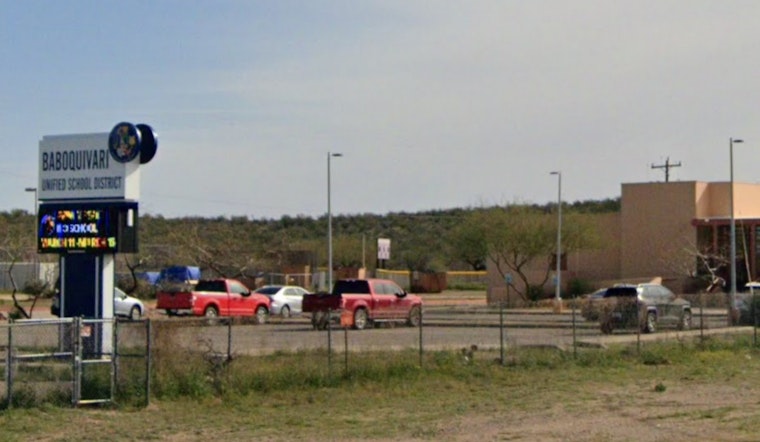
The Baboquivari Unified School District has come under scrutiny after a recent report by the Arizona Auditor General revealed several lapses in district operations. Critical findings include the district's failure to maintain essential transportation records, which severely hampered the ability to conduct a comprehensive review. Furthermore, the district spent close to half a million dollars on travel; with a significant portion being unnecessary and could be considered wasteful. Additionally, concerns were raised about limited public access to Board meetings, which seems contrary to principles of transparency and community engagement.
Examined closely, the efficiency of school operations shows that some schools within the district operated below their capacity, potentially indicating ineffective use of resources. In yet another stark revelation, the audit found the district not in full compliance with statutory requirements to protect both students and public funds, coupled with lacking safeguards for sensitive computerized data. These findings highlight an urgent need for more stringent management and oversight within the school district's administration.
Adding to the district's woes, the audit report details accusations of unnecessary travel expenditures, which included trips taken by district employees that were not essential to their duties. Amidst a time when educational budgets are under a microscope, such fiscal missteps particularly sting, signaling a disregard for the judicious use of public monies that should otherwise be channeled towards improving student outcomes and facility provisions.
The revelations of this report call for immediate action, as the protection of students and safeguarding of public funds is a mandate that cannot be overlooked or taken lightly. The district, having been unable to keep records that track the comings and goings of their fleet, seems to be at a loss to even assure the guardians of their students in something as fundamental as secure and reliable transportation—a cornerstone in a child’s daily journey of learning. It will be imperative that the district responds with measures that swiftly rectify these shortcomings, for it is in the basic machinery of infrastructure that the larger aspirations of any educational body rest.




