

























































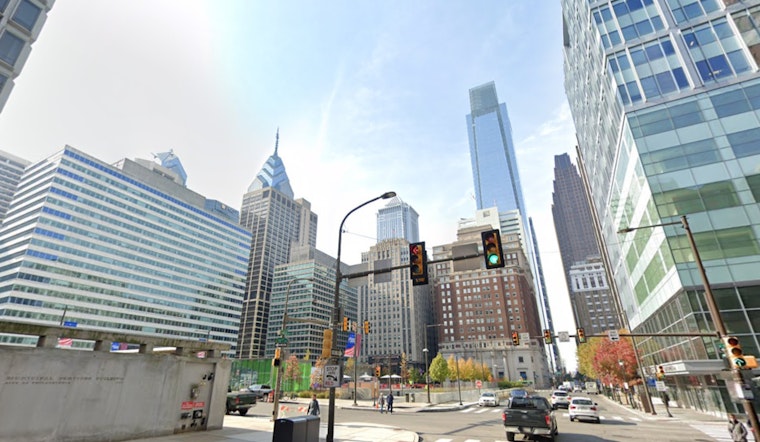
A pervasive Code Orange air quality alert has been issued across multiple counties in Southeastern Pennsylvania. The alert, which signals unhealthy air conditions for particular populations, is set to be in effect until midnight Tuesday. Regions impacted include not only Philadelphia but also the surrounding counties of Bucks, Montgomery, Delaware, and Chester. Residents in the Lehigh Valley and Berks have also been placed on notice, as confirmed by WFMZ.
The warning, stemming from sturdy signs of ozone pollution, is perhaps most risky for sensitive groups. These groups include children, the elderly, and individuals battling respiratory ailments such as asthma. Health officials are urging these groups to minimize their outdoor activities. Kate Bilo, a meteorologist, associated the poor air quality with a sustained heat wave that traps pollutants near the Earth's surface, as mentioned in a CBS Philadelphia news article.
Contributing to the situation are the high temperatures, anticipated to crest in the 90s, combined with clear skies and nominal winds—a concoction conducive to "robust ozone development," according to the Pennsylvania Department of Environmental Protection (DEP). This forecast was echoed across various news outlets, including PennLive, which recently covered the alert issued by the Delaware Valley Regional Planning Commission for the Philadelphia Metro area.
Authorities from the DEP are closely monitoring the air quality as the scenario unfolds. They have issued specific guidance on how the public can aid in reducing air pollution, such as limiting vehicle usage and the use of gas-powered lawn equipment during these high-ozone periods. While the advice stands for all residents, it is particularly aimed towards ensuring the well-being of those in the "orange" index category. This data, along with further recommendations, has been detailed by the WFMZ coverage of the alert.





