

























































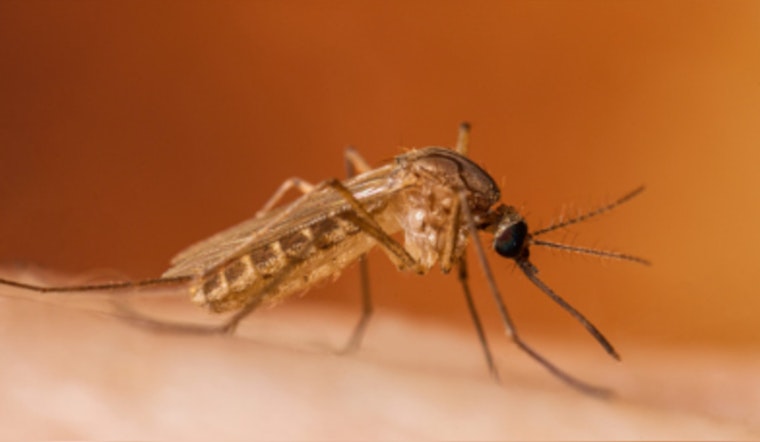
The first human case of West Nile virus in Michigan has been confirmed for the year 2024. A resident of Livingston County, best known for its health-conscious city of Ann Arbor, was found to have contracted the mosquito-borne illness, as per the state's Department of Health and Human Services. Despite this confirmed human infection, health officials have yet to identify mosquitoes in Livingston County carrying the virus, leaving the source of infection as a concerning mystery, as detailed by FOX 17.
Observers may hardly be surprised at the return of the virus, given that this marks the fifth consecutive year for human cases of West Nile in Michigan. A report from WOODTV outlines the wider spread, with 29 mosquito pools across the state testing positive for viruses like West Nile and Jamestown Canyon virus. Kent and Ottawa counties specifically have found mosquitoes with West Nile, while Kent and Calhoun counties are dealing with Jamestown Canyon virus detections.
In response to the growing concern, Brendan Earl, the supervising sanitarian of the Kent County Health Department, emphasized the need for increased caution. He warned that the early detection of the virus this year “(That indicates) a need for heightened vigilance and preventative measures,” as he told WOODTV. The Ottawa County Department of Public Health has similarly underscored the absence of a vaccine or specific treatment, compelling residents to adopt prevention-based strategies.
The health departments of both Kent and Ottawa counties have disseminated advice to help residents shield themselves against potential bites. Recommendations include the consistent use of insect repellent products containing at least 10 percent DEET, wearing light-colored clothing, and acting to eliminate any standing water that might serve as mosquito breeding sites. These preventive measures come as public health officials aim to proactively reduce human exposure to the disease, according to a statement by the Ottawa County Department of Public Health, as obtained by Hoodline.
With most individuals infected by West Nile virus not exhibiting symptoms, the potential for unnoticed spread poses an additional challenge. For the minority who do experience symptoms, they range from headaches to joint pains and, in rare yet severe cases, may involve life-altering central nervous system effects. In 2023, Michigan saw 24 residents positive for West Nile and six for Jamestown Canyon virus, illustrating the ongoing public health threat these mosquito-borne diseases represent.


