

























































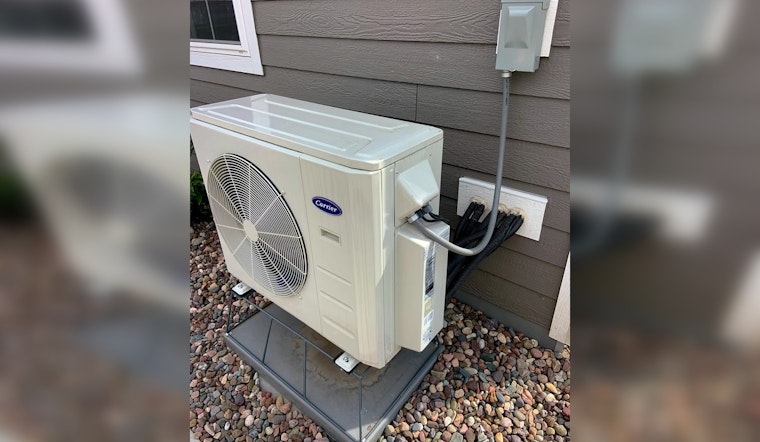
The Healey-Driscoll Administration is making waves with a hefty $450 million award from the U.S. Environmental Protection Agency, aiming to significantly boost the adoption of heat pumps throughout New England. This funding, part of a $4.6 billion Climate Pollution Reduction Grants program initiated by the Inflation Reduction Act, positions Massachusetts and its neighboring states to set a new precedent for heating and cooling technology.
Massachusetts is set to receive approximately $100 million from an EPA grant aimed at rapidly expanding the use of heat pumps, a crucial technology for reducing emissions. The New England Heat Pump Accelerator (Accelerator) is leading this initiative, working strategically to increase heat pump installations and ensure they account for at least 65 percent of the region’s residential heating, cooling, and water heating sales by 2030. Governor Maura Healey, recognizing the importance of this effort in the fight against climate change, praised the bipartisan initiative, stating, “Through the Accelerator, we'll be able to deliver affordable and cutting-edge heating and cooling technologies to families and businesses across New England," as reported by Mass.gov.
With the only award in EPA Region 1 and the second largest sum nationwide, the five-state coalition has a plan to overcome market obstacles and standardize heat pump technology for HVAC and water heating. Secretary of Energy and Environmental Affairs, Rebecca Tepper, emphasized the transformative impact on residents, especially for those previously unable to afford such technologies. "Getting heat pumps in homes across New England unlocks enormous benefits for our residents," Tepper explained to Mass.gov.
The monumental funding is not solely focused on technology adoption but is also designed to intentionally include communities historically disadvantaged and hit hardest by climate change. At least 40% of the funds will go to low- and moderate-income households and underserved communities, in compliance with the EPA's Justice40 initiative. Deputy Climate Chief Jonathan Schrag told Mass.gov that alongside other initiatives, this would help "equitably decarbonize housing and transition away from fossil fuel infrastructure."
In addition to Senator Edward J. Markey applauding the efforts to utilize Inflation Reduction Act funds to foster energy-efficient technologies in Massachusetts, other state officials have also shown strong support. Connecticut Department of Energy and Environmental Protection Commissioner Katie Dykes noted the benefit of the regional collaborative efforts, pushing for widespread adoption of clean heating and cooling technology to reduce costs and bring health benefits to the residents. Their dedicated program pillars tackle various aspects, from overcoming distribution challenges to ensuring quality installation and even bolstering workforce development for sustainable operations in the future.



