

























































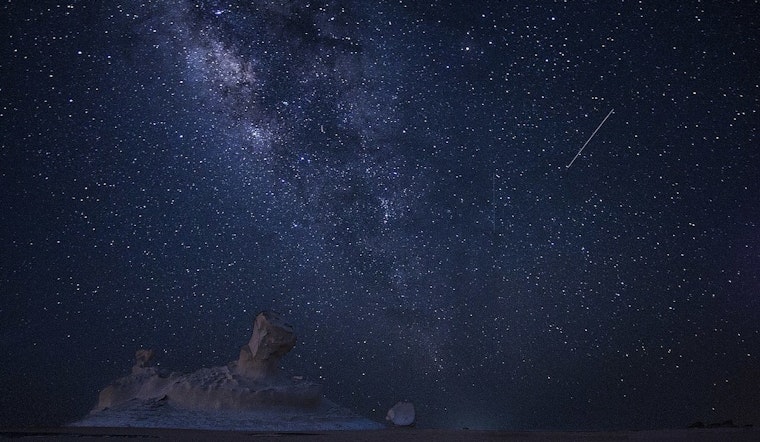
The Perseid meteor shower, an annual summer sky event, has begun its dazzling display over Texas, expected to peak between Aug. 11 and Aug. 12. According to The Austin American Statesman, this shower is known for its brightness and is visible until Aug. 24, offering stargazers plentiful opportunities to witness up to 100 meteors per hour during its peak nights. For optimal viewing, it's recommended to venture away from city lights, looking to the northern sky in the pre-dawn hours.
Not limited to a single celestial event, Texas sky-watchers can also expect to see the Delta Aquariids and Alpha Capricornids showers, peaking on July 30 and July 31, respectively, as reported by The Austin American Statesman. While the Delta Aquariids could result in 15 to 20 meteors per hour, the Alpha Capricornids are much more modest, with an expected two to five meteors hourly. These showers add to the July night sky's allure, creating a tapestry of falling stars against the velvet backdrop of the cosmos.
The Perseids originate from the debris left by Comet Swift-Tuttle, which treks through our solar system every 133 years. NASA labels the Perseids as the best meteor shower of the year for their "swift and bright" meteors that are easily seen due to their long tails. This was echoed in a statement obtained by KXAN, with reminders to look northeast in the pre-dawn hours for the best view.
Lara Eakins, from the University of Texas astronomy department, told KXAN, "Generally speaking, you kind of want to face yourself sort of northeast, because that’s where the meteors will appear to come from." With the last appearance of Comet Swift-Tuttle occurring in 1993, and its return not due until several lifetimes later, each year's Perseid display serves as a fleeting reminder of the comet's last visit.





