

























































Commuters in the Tredyffrin and Upper Merion townships are set for another round of travel disruptions as the Pennsylvania Turnpike Commission presses on with bridge beam installations, heading into another week of work. PennDOT has announced a series of lane closures that motorists should brace for starting tonight. According to a notice posted on the PennDOT District 6 website, lane closures will be affecting both directions of U.S. 422 as well as N. Gulph Road.
Starting tonight and continuing into the following Monday, drivers can expect lane closures from 7:00 PM to 5:00 AM on eastbound U.S. 422, between 1st Avenue and U.S. 202. PennDOT cautions that there will be "periodic traffic paces" lined up for eastbound lanes. The work will resume on the westbound side during the same evenings, where a single lane will be closed from 8:00 PM to 6:00 AM.
The construction activity isn't limited to the weekdays, with the next set of disruptions scheduled from Tuesday, July 23 to Wednesday, July 24. Westbound U.S. 422 will endure another spate of left lane closures at the same nighttime hours, potentially putting a crimp in nighttime travel plans. During these times, PennDOT has advised motorists to be prepared for slow or stopped traffic as they approach the construction zones.
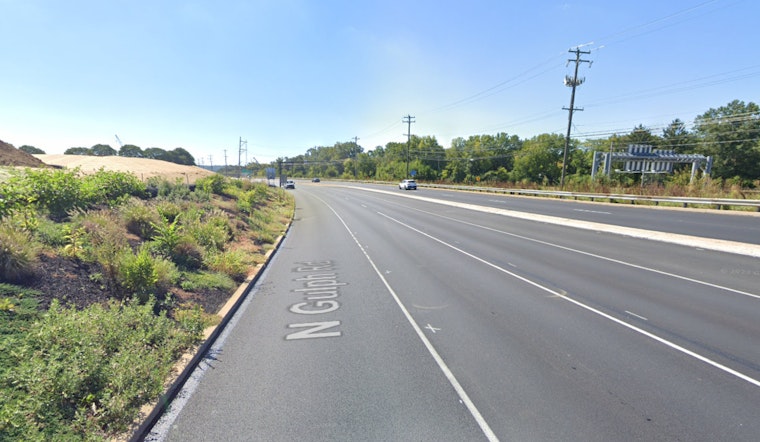
Moreover, on Tuesday and Wednesday evenings, flaggers will be restricting N. Gulph Road to a single lane in the southbound direction, between 1st Avenue and U.S. 202, from 7:00 PM to 6:00 AM. As the week rounds out, periodic traffic paces with flagging will disrupt N. Gulph Road in both directions, set to occur on July 25, 26, and 29, from 7:00 PM until the early morning. Drivers are urged to use caution when navigating the flagged areas, where personnel will be working to maintain a steady, if slow, traffic flow.
The ongoing bridge construction is a PennDOT-permitted project, part of a wider effort by the Pennsylvania Turnpike to upgrade and maintain critical infrastructure. While delays are inevitable, the work ensures the safety and longevity of the commuting arteries so vital to the region. PennDOT's updates underscore the need for extra time and patience as travelers adjust their schedules around these nocturnal intrusions into their customary routes.





