

























































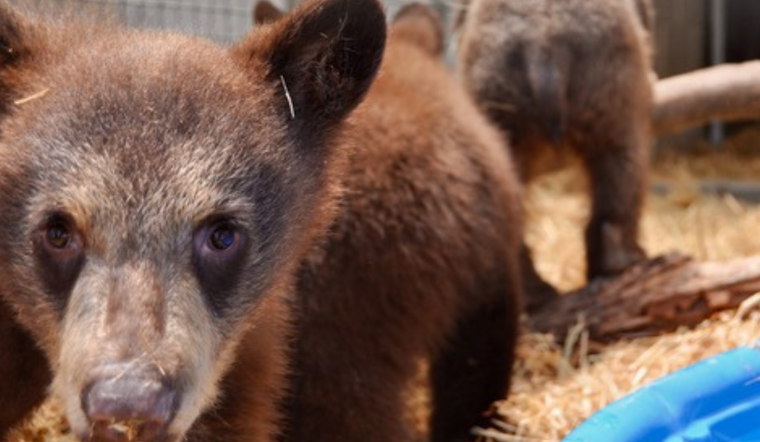
Appalachian Bear Rescue (ABR) has taken in three bear cubs after their mother was euthanized by the Tennessee Wildlife Resources Agency (TWRA) due to her lack of fear of humans and repeated incidents in Blount County. As reported by WVLT News, the euthanized bear had been breaking into bear-resistant trash cans and cars, and she, not fearful of humans, approached people while seeking food. Her behavior posed a risk to both the bears and the community, leading to the difficult decision by TWRA.
The rescue is currently caring for 24 cubs, including the recently arrived Velma, Daphne, and Scooby. This is not an isolated incident; just a week before, ABR welcomed three other cubs after their mother, too, was euthanized for similar reasons. As highlighted by WATE News, ABR and TWRA have emphasized the importance of locking vehicles and keeping windows closed in bear country, recommendations frequently ignored by residents and visitors in the affected areas.
WVLT News provided details on the challenges faced in relocating such bears, noting that there is no place in Tennessee remote enough to safely house bears that have lost their fear of humans. The Great Smoky Mountains National Park, while vast, is filled with backcountry campsites and trails frequented by visitors, making it unsuitable for the relocation of habituated bears. The park's popularity and infrastructure further complicate potential solutions.
"We know that you don't like reading that this has happened again. We can't believe we are writing about this again. It makes us and our wildlife agency partners sick and frustrated", ABR representatives expressed, as per WVLT News. ABR is now seeking donations to support the care of the growing number of cubs in their charge, highlighting the repeated nature of these events and the emotional toll on those involved in wildlife management and rescue operations.





.jpg)