

























































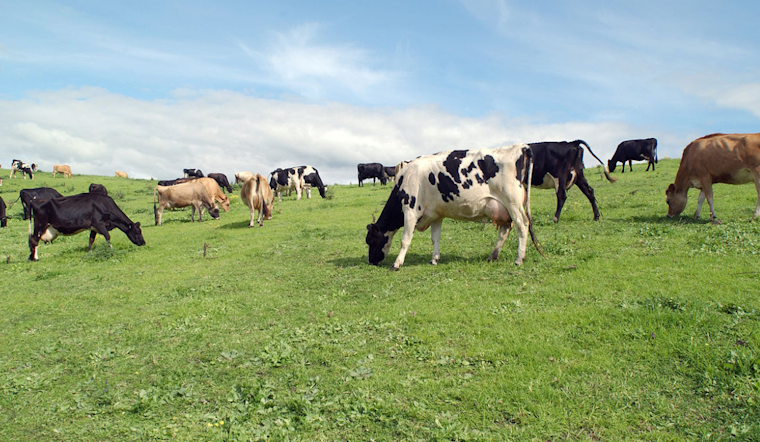
Another case of the highly pathogenic avian influenza (HPAI) has been spotted in Michigan, with a dairy herd in Van Buren County finding itself at the center of the state’s latest outbreak. According to a report by WOODTV, this latest incident marks the 28th dairy herd to be hit by the virus since the series of outbreaks began in late March of this year. Despite stringent control measures, this new case is the first since late July, hinting at the stubborn persistence of the virus within agricultural boundaries.
Michigan’s Department of Agriculture and Rural Development (MDARD) confirmed the outbreak and has been at the forefront of implementing critical biosecurity protocols to curb the spread of the virus. As per a release on MDARD's website, Director Tim Boring's emergency order and subsequent response efforts appear to have been effectual, with a noticeable decline in new cases since June. In the face of this recent development, however, the necessity for enhanced farm security and rigorous adherence to health protocols is once again underlined for the state's agricultural community.
The bird flu, not usually a principal concern for dairy herds, has raised alarms due to its deadly impact on avian species and the potential spillover into mammalian livestock. The Centers for Disease Control and Prevention have been keeping a close watch, noting that human cases are possible, with 14 confirmed instances throughout the outbreak. Information from WOODTV highlights ten of these were a result of exposure to infected poultry, and the rest from contact with diseased cows.
To support and confront the challenge presented by HPAI, MDARD emphasizes the responsibility falls on all hands within the industry to maintain vigilance. The department detailed a comprehensive list of preventative steps and biosecurity measures aimed at shielding the state's dairy cattle from this invisible threat. Among this advice, the key steps include isolating new or returning animals, dedicating equipment and care practices for sick animals, and limiting farm access.




