

























































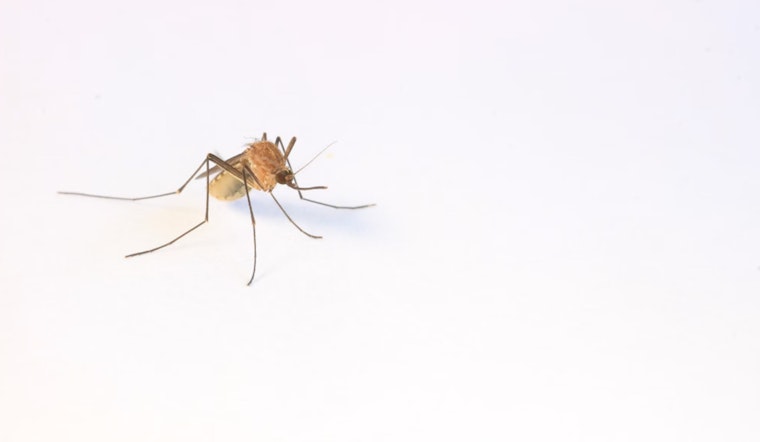
The alarm has been sounded in Michigan as the state confirms its first case of Eastern Equine Encephalitis (EEE) for the year 2024. The infected, a Standardbred filly located in Van Buren County, was not vaccinated against the deadly virus, which can be transmitted by mosquitoes to both horses and humans. The disease is particularly lethal for horses, with nearly always fatal results when contracted, as reported by WOODTV. According to the Michigan Department of Agriculture and Rural Development, the case signifies the presence of the virus in the state's mosquito population.
As signs of the disease start to show, state veterinarian Dr. Nora Wineland cautioned Michigan residents to take preemptive action to guard against mosquito bites and prevent diseases spread by these insects. "These detections clearly indicate disease is circulating in the state’s mosquito population, making it crucial to protect animals and people against these insects," Wineland said in a statement shared by The Detroit News. Aside from EEE, Michigan has seen the West Nile virus in 48 mosquito pools, 12 wild birds, and one human this year.
EEE, known as one of the most dangerous mosquito-borne diseases in the United States, maintains a 33% fatality rate among humans who fall ill to it. Dr. Natasha Bagdasarian, the chief medical executive of the Michigan Department of Health and Human Services, emphasized the severity of the illness. "It only takes one bite from an infected mosquito to cause a severe illness," Bagdasarian explained during an announcement cited by WWMT. She urged Michiganders to use EPA-registered insect repellent and wear protective clothing to reduce their risk of mosquito bites.
To safeguard against these illnesses further, state officials urge the public and animal owners alike to take decisive actions, such as vaccinating horses, removing standing water that may serve as breeding grounds for mosquitoes, employing fans in barns, and using mosquito repellents approved for animals. Horses cannot transmit EEE or West Nile virus to humans or vice versa, meaning the focus on preventing mosquito bites is paramount. For humans, applying repellents with DEET, wearing protective clothing, and maintaining screens on windows and doors are key preventive measures recommended by health experts. The state warns that the threat of mosquito-borne diseases will persist until the first hard frost of the season kills off mosquito populations.



