

























































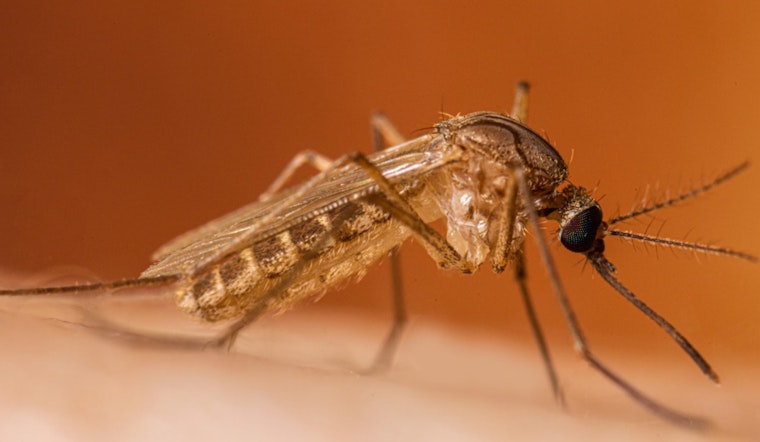
As the summer heat continues to linger, West Nile virus is making its presence known in Michigan with a deceased falcon near Detroit having tested positive for the virus. The bird, discovered near 7 Mile and the Southfield Freeway, represents a warning sign for potential human infection as no human cases have been reported yet in Detroit or Wayne County, according to the Detroit Health Department.
In light of these developments, Michiganders are urged to take precautions to protect against the virus. To keep mosquitoes away, wear long sleeves, use insect repellent, and ensure your windows and doors have proper screens, the Detroit Health Department advises. Moreover, turning over buckets, bird baths, or any water-holding containers, in which mosquitoes can breed in, is crucial to stop the spread of the virus at its source. Symptoms, when they present themselves at all, can range from fever and headaches to rashes and nausea, and residents feeling under the weather with these signs are advised to seek out a healthcare provider.
The situation has escalated beyond isolated avian cases, with three more human cases reported across Delta, Genesee, and Macomb counties, as woodtv.com outlines. Numbers are climbing, with the Michigan Department of Health & Human Services identifying a total of 115 mosquito testing pools positive for various arboviruses.
The statistics indicate an unsettling trend, with 102 pools testing positive for West Nile virus specifically, nearly doubling the infected pools from the 61 reported on August 9. While the odds sit in favor of most individuals infected by the virus, experiencing no symptoms, about 1 in 150 are subject to severe illnesses that can target the central nervous system. In such cases, recoveries are arduous, with the potential for permanent damage or death.
26 cases of West Nile virus in animals confirmed by MDHHS—consisting of 25 birds and a horse in Eaton County. Eastern Equine Encephalitis cases are also on the upswing, with a second horse falling victim to EEE in Van Buren County. The Michigan Department of Agriculture and Rural Development noted that the first horse to contract EEE was not vaccinated against the disease, which is frequently fatal in horses. Preventative measures remain the frontline defense for humans against West Nile virus, in the absence of a vaccine or cure.



