

























































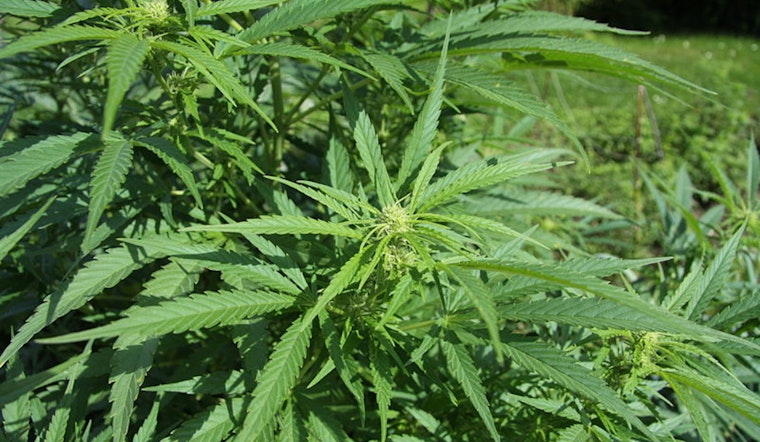
The landscape of hemp-derived products in California experiences a tectonic shift as the state implements emergency regulations banning the retail sale of intoxicating hemp items containing THC, which took effect yesterday. Governor Gavin Newsom affirmed the protective regulations, targeting the reduction of adolescents' exposure to potentially impairing substances. According to the California Department of Public Health (CDPH), these measures are a direct response to a rise in health incidents associated with these products, which were found accessible across a breadth of retail environments.
Let's walk through the ramifications of the emergency fiat: any industrial hemp concoction – be it food, drink, or dietary supplement – intended for human consumption with a sniff of THC per serving is now verboten on store shelves, and these products must be scrubbed clean from retail operations, effective immediately – thanks to the regulations that the Office of Administrative Law approved just a day prior. Adding another layer of protection, these rules restrict the sale to individuals under 21 and cap servings to a modest five per package, as detailed by the CDPH.
Let's rewind to '96 when California trailblazed the first path for medicinal marijuana with the Compassionate Use Act, followed 20 years later by a hearty thumbs-up to recreational use. Since then the cannabis sector has pranced around under a strict regulatory spotlight, ensuring products pass muster for safety and labels and are put through the wringer to protect consumers from unwanted nasties – all while building a cordon sanitaire to keep the youth at bay, but hemp manufacturers, it seems, have been crafty, pulling a fast one by peddling goods rife with THC sans the same bevy of regulatory hoops that cannabis counterparts have to jump through, selling these goods from mega-chains down to the corner store and touting their mind-altering effects, noted by the CDPH.





.JPG)