

























































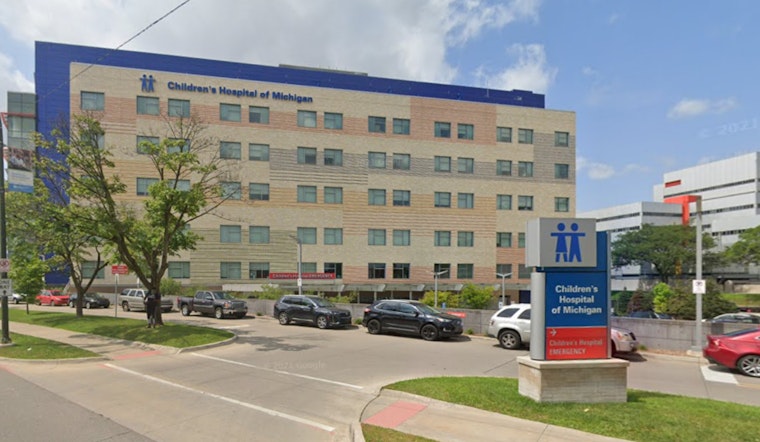
The Children's Hospital of Michigan has begun deploying a novel gene therapy for patients with beta-thalassemia, spotlighted as the state's first such case with treatment underway for a local teen, as per hospital officials. The gene therapy, tagged Zynteglo, developed by Bluebird Bio Inc., is designed to reprogram patients' stem cells to produce healthy hemoglobin – essential for oxygen transport through red blood cells – an advancement poised to circumvent frequent blood transfusions, previously the standard treatment regimen for individuals battling this inherited blood disorder, as reported by The Detroit News.
The unnamed teenager represents a glimmer of hope, having endured transfusions every two to four weeks, but now through gene therapy could escape the rigorous transfusion schedule, according to details furnished by freep.com. Dr. Sureyya Savasan, Children’s Hospital Transplant and Cell Therapy Director, conveyed the team's excitement, noting the therapeutic potency of the approach that stands to render life-long transfusions obsolete, a sentiment echoed by Liz Smythe, a nurse coordinator quoted saying "You can imagine our joy and excitement."
Further extending its foray into genetic therapy, Children's Hospital of Michigan also eyes treating sickle cell disease, another grave hematological condition harboring debilitating effects on patients, the hospital's plans cemented with an FDA nod in December 2023 for two gene therapies, including one also developed by Bluebird Bio known as Lyfgenia. As detailed by The Detroit News, this pioneering advancement could begin by the year's end, setting precedence in the state for such cutting-edge treatments, an overhaul in clinical practice welcomed by medical professionals like Dr. Eman Al-Antary, a pediatric bone marrow transplant physician at the hospital.
The gene-editing process involves extracting the patient's stem cells, genetically re-engineering them over a course of approximately 90 days, and then, following a preparatory round of chemotherapy, reintroducing them to the patient's body to reinitiate the production of healthy hemoglobin, Dr. Alexander Glaros of Children’s Hospital underscored the intent to make revolutionary treatments universally accessible to Detroit locals. With about eight patients queued for insurance approval on gene therapy treatments, the hospital's commitment to turn the tides on these chronic illnesses is palpable as they undertake a mission to dispense a modern standard of care, as detailed by ClickOnDetroit.
Eman Al-Antary highlighted the benefits of gene therapy over traditional bone marrow transplants – notably its low risk for graft-versus-host disease – because it uses the patient's altered cells, whereas bone marrow transplants, which require donor matches, can lead to the recipient's immune system attacking the donor cells causing potentially life-threatening complications according to a statement obtained by The Detroit News.



