

























































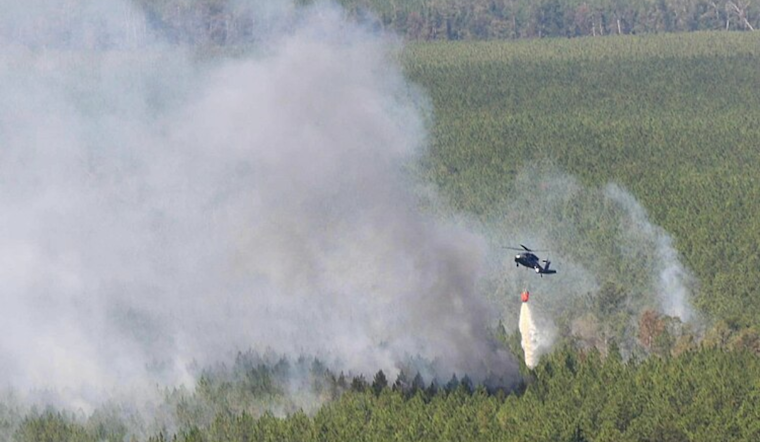
Jefferson County is stepping up its game against the ever-present threat of wildfires, reaching out to its residents for feedback and insight into updates to its fire defense strategies. At the heart of this move are revisions to the Community Wildfire Protection Plan (CWPP) and the Evacuation Annex (EA), components of the county's emergency response playbook. Officials are banking on public participation to fine-tune these plans and ensure the safety of their communities.
The revised CWPP and EA are no mere documents gathering dust on a shelf; they spring from a collaboration between state and county agencies, firefighters, federal land overseers, and other partners. These texts are blueprints, designed to pinpoint high-risk areas and lay out strategies for reducing the fire load through the removal of hazardous fuels. However, their reach extends even further, guiding property owners and land managers on protective measures for both infrastructure and abodes. The county is pushing for empowering private homeowners with the right know-how to decrease their homes' vulnerability to wildfires.
According to Jefferson County, the significance of these updates is a sober reminder of the fire risks that loom like unwelcome shadows over the region. The CWPP not only marks out spots for fuel treatment but also suggests the treatment methods themselves. Conversely, the EA is more about the logistics of motion, and how to evacuate safely when the threat becomes too real and too close.
It’s not just about cutting down combustible brush or mapping out escape routes, though. The county is leaning into the long game, encouraging the community to build a repository of expertise on all things fire prevention. It's about creating a wildfire-aware culture, undergirded by county investments in programs that bolster preparedness. The documents go further to script the details of evacuation strategies, hammering out procedures and organizational frameworks necessary for when the flames come knocking.



