

























































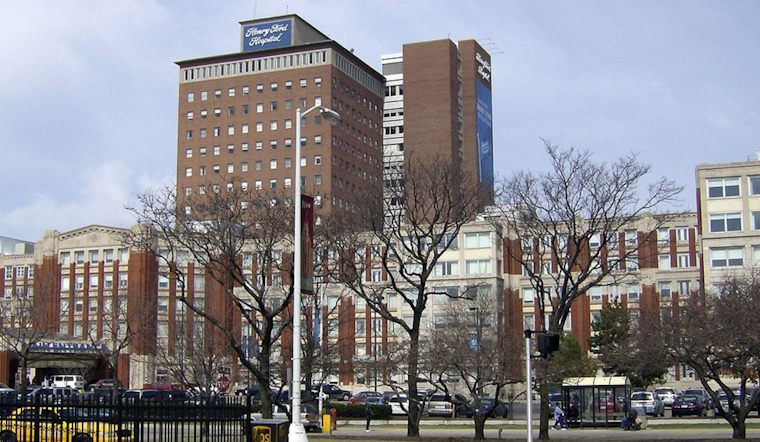
In a potentially transformative medical development for individuals battling blood diseases, a 68-year-old woman from Flint, Michigan has become one of the first known people to receive a successful bone marrow transplant from a deceased donor. This pioneering procedure was performed at Henry Ford Hospital in Detroit, as reported by ClickOnDetroit.
The African American patient, who remains unnamed, was grappling with leukemia for which traditional chemotherapeutic approaches would not suffice for a cure. The ground-breaking treatment offers a glimmer of hope, especially for minority populations who historically struggle to find living donor matches due to a lack of genetic diversity within donor registries. Dr. Muneer Abidi, the medical director for stem cell transplant at Henry Ford Health, emphasized in a statement obtained by Henry Ford, "Unfortunately, particularly for minority patients, living donors are very difficult to identify."
The difficulty in finding living donors aligns with the stark statistics presented by the National Marrow Donor Program (NMDP), illustrating that African American patients have only a 29% chance of locating a match through their registry. "The ability to transplant bone marrow from a deceased donor presents a whole new set of opportunities for our patients," said Dr. Abidi, recognizing the gravity of the breakthrough. His views were echoed by the physicians involved, who have expressed optimism for this patient's recovery path and for the potential of deceased donor transplants to alter the landscape of treatment for blood diseases, as per Henry Ford.
The success of this procedure leans heavily on the collaboration between Henry Ford Health and Ossium Health, a bioengineering firm providing access to cryogenically preserved bone marrow from deceased donors. As reported by the Detroit Free Press, Ossium's bone marrow bank boasts a broader ethnic and racial diversity, which significantly enhances the likelihood of finding suitable matches for minority patients. Kevin Caldwell, CEO and co-founder of Ossium Health, noted, "The same donors that provide hearts, livers, lungs and kidneys, we've developed a process for obtaining bone marrow from those individuals."
Treating this Flint woman was part of the HOPE compassionate program, and Henry Ford Health aims to expand its use through a Phase I/II clinical trial in partnership with Ossium and the NMDP. Dr. Josephine N. Emole, leading the patient's care team, told Henry Ford, "She has just started the journey towards her cure and the outlook is encouraging." With advancements like these, the medical community inches closer to overcoming the donor gap that impedes life-saving treatments for countless patients each year.




