

























































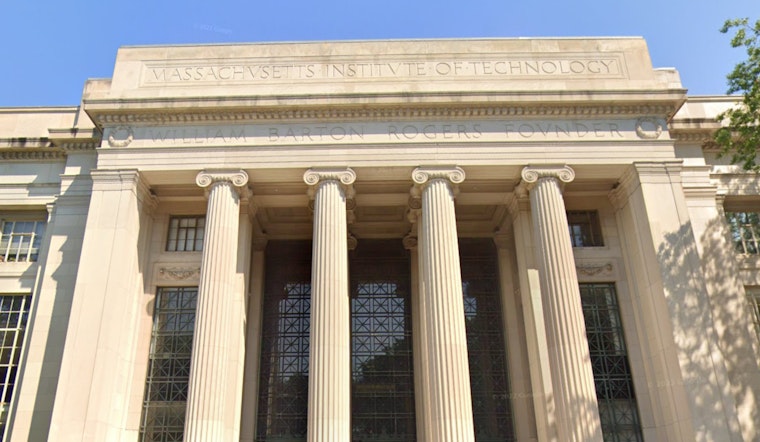
In the ongoing effort to tackle climate change by reducing building energy consumption, AeroShield, the MIT-born startup, is taking a significant step forward, having recently inaugurated a new manufacturing facility to produce advanced insulating windows. The startup's technology, centered around a unique type of aerogel, is designed to reduce heat loss by up to 65 percent, boosting energy efficiency and cutting carbon emissions, according to MIT News.
Understanding that building operations are responsible for a considerable 36 percent of global carbon dioxide emissions, with a substantial amount stemming from inefficient windows, AeroShield's product could be a game-changer for both homeowners and the environment. Despite the common perception that insulated windows are either too costly or technologically out of reach, it keeps warmth locked in during winter and heat at bay during sweltering summer days, leading to potentially lower heating and cooling bills—and, by extension, energy use and carbon emissions.
The technology's evolution traces back over a decade to MIT research led by then professor Evelyn Wang, with substantial backing from various entities, including ARPA-E and the MIT Tata Center for Technology and Design. Through diligent experimentation, the MIT team overcame the hurdle of crafting transparent aerogels, a material comprised of 95 percent air and nanoparticulate silica known for its insulating properties but not its clarity. Elise Strobach, AeroShield's co-founder and CEO, explained to MIT News their driving mission: "Our mission is to decarbonize the built environment."
With the opening of its new pilot facility in Waltham, Massachusetts, recently announced, the focus now is on producing, testing, and certifying the windows, along with patio doors—the next step in rolling out the product to market, where the energy lost through windows in the U.S. during winter alone is enough to power over 50 million homes, equating to carbon dioxide emissions of an astounding scale. As demonstrated by a generous $14.5 million award from ARPA-E's SCALEUP program, which speaks to the potential scale and impact of this innovation on the market, further bolstered by another $5 million from investors including MassMutual Ventures.
Elise Strobach also highlighted to MIT News the strategic importance of partnerships nourished by such financial support, projecting a faster trajectory towards large-scale production and ultimately, a significant contribution to addressing the global climate crisis through improved energy efficiency in buildings.





