

























































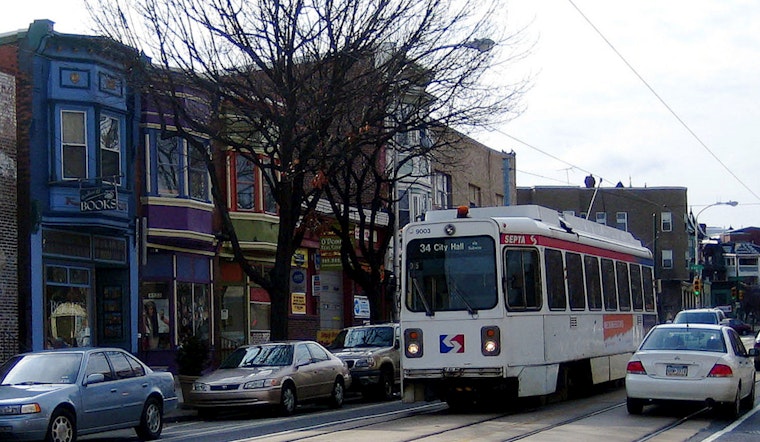
In Philadelphia, the distress signal has been sounded by the transport authority, SEPTA, as well as city officials, who are clamoring for state assistance to mend a significant budgetary shortfall. For SEPTA, an agency integral to the daily commutes of many, the deficit amounts to a stunning $240 million—prompting grim forecasts of slashed services and hiked fares.
Without an intervention, the potential consequences have students like Doha Ibrahim, who elaborated her worries to CBS News Philadelphia, mulling over future difficulty in getting to and from Temple University. "For me, it's like a big deal right now," said Ibrahim. A 30% fare increase and a 20% service cut are on the table for early next year unless lawmakers step in.
Philadelphia leaders, including Council President Kenyatta Johnson, have pinpointed $161 million as the share needed by SEPTA from a proposed allotment of $282 million for state transit systems. This funding proposal from Governor Josh Shapiro, as reported by 6abc.com, remains in limbo after the state legislature failed to address it in July.
SEPTA Chairman Ken Lawrence, in addressing the severity of the situation, stated, "If the state doesn't help, we're going to have to raise fares, cut service and that's likely going to become a death spiral for the agency." This sentiment was echoed at a joint news conference with city council members, as NBC Philadelphia covered. Lawrence already thanked the state for an interim measure, but decried the $46 million one-time infusion as tenuous—far from the robust fix needed.
In contrast to the immediacy portrayed by city and SEPTA officials, State Senator Joe Pittman hinted at more complex legislative priorities. "Providing SEPTA with an additional $80 million in the current state budget was a substantial one-time investment supported by our Senate Republican Caucus," Pittman stated to 6abc.com. He further emphasized the need to balance mass transit needs with the state's finite resources and other critical infrastructure demands.
As a stopgap, SEPTA has proposed measures such as raising parking rates and eliminating some rider discounts, clear signs of their attempts to reduce the expenditure bleed.





