

























































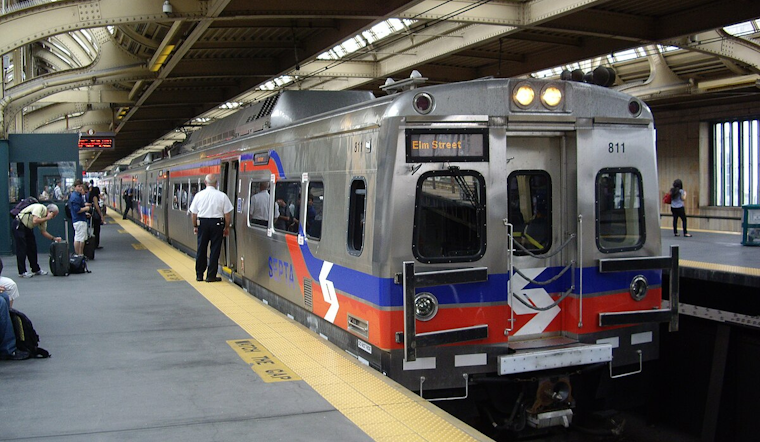
SEPTA commuters face impending fare hikes as the transit authority grapples with a significant budget shortfall, according to plans announced this week that could see prices rising across buses, subways, trolleys, and Regional Rail services starting December 1. The Southeastern Pennsylvania Transportation Authority (SEPTA) is working to overcome a $240 million deficit left in the wake of exhausted federal COVID relief funds, per a statement obtained by FOX 29.
The proposed changes, which aim to generate an additional $14.4 million in annual revenue, face criticism and concern from riders who rely on the service for their daily commutes; the adjustments include aligning the Travel Wallet fare on buses, subways, and trolleys to $2.50, equivalent to the existing cash fare, with free transfers set to remain intact and promising new flexibility such as the elimination of directional restrictions for transfers, as per NBC Philadelphia
SEPTA CEO Leslie S. Richards emphasized the need for action to avoid "devastating service cuts" and noted the fare proposal's focus on equity. Richards said, per NBC Philadelphia, "Without new state transit funding, we will have to consider additional fare increases in the spring. What we are announcing today is an initial step toward planning for our uncertain future."
Other key aspects of the proposal include rate increases for most single-trip Regional Rail fares and hikes in parking fees at SEPTA-owned surface lots and garages, set to begin September 23, as reported by FOX 29. SEPTA also intends to re-zone several stations, transitioning Overbrook, Tulpehocken, and Wissahickon from Zone 2 to Zone 1, a move potentially mitigating the fare repercussions for some riders; nonetheless with rising maintenance costs and a planned rate increase shelved in 2020 due to the pandemic, the specter of financial strain hangs heavy over the transit authority and it's patrons alike.





