

























































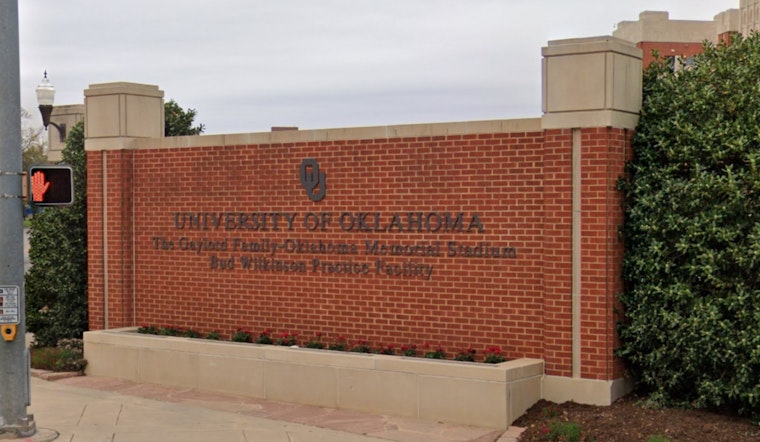
The physician associate (PA) students at the University of Oklahoma Health Sciences are taking their skills to rural clinics, focusing on a unique blend of primary care and mental health services during their three-month rotations. As reported by the University of Oklahoma, in areas where healthcare providers are sparse, especially in rural Oklahoma, PAs are stepping in to fill a vital role in patient care, with the ability to practice under a physician's supervision and prescribe medications. Oklahoma, where about 41% of the population resides in rural areas, faces a particular challenge with a shortage of both primary care and mental health professionals.
Interestingly, the initiative that the students are participating in is not just about placing them in clinics but also about changing the landscape of rural healthcare. Despite about 23% of PAs currently working in rural settings in Oklahoma, Darlla Duniphin, interim director of the PA program at the University of Oklahoma, underlines the importance of this exposure. According to a University of Oklahoma announcement, Duniphin stated, "Our goal is to increase the number of trained PAs who choose to practice in rural areas of Oklahoma after they graduate."
With funding from the Health Resources and Services Administration (HRSA), the integration of mental health training within primary care settings is poised to address the often overlooked mental health needs of patients. Bruna Varalli-Claypool, a co-leader of the grant and faculty member of the PA program, emphasizes the potential breakthrough moments often hiding behind routine check-ups. She told the University of Oklahoma, "Simply asking patients about their mood and energy level opens the door for them to talk about their concerns."
The University of Oklahoma has received a $2 million grant from HRSA to support the rural rotation program. A variety of health systems across Oklahoma will host these rotations, including Okeene Municipal Hospital and Medical Clinic, Iowa Tribe Perkins Family Clinic, and the Health and Wellness Center, which each integrate mental health services within their primary care practices. These real-world training environments provide a dual service—offering immediate care to underserved communities and cultivating healthcare professionals ready to take on both physical and mental healthcare challenges. Even if PA students don't end up in an integrated practice setting, Mary Gowin, co-leader of the grant and director of the Primary Care Health Policy Division at the OU College of Medicine, insists on the holistic training. "We're starting to understand and focus on the fact that mental health is a huge part of our physical health," Gowin shared with the University of Oklahoma.
This HMU-HHS-funded initiative, led by Duniphin, Varalli-Claypool, and Gowin of the University of Oklahoma, aims to substantially lessen the shortage of healthcare professionals in rural Oklahoma—improving access and comprehensive care for the state's underserved populations. The University of Oklahoma Health Sciences serves not only as an educational institution but also as a beacon for healthcare progress in the region.





