

























































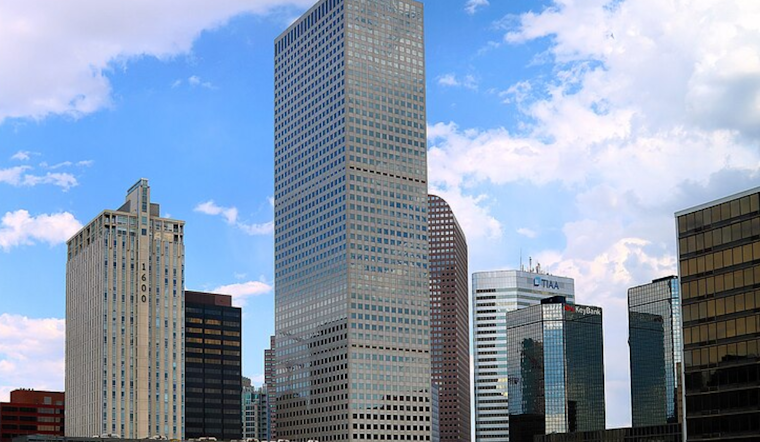
Denver faces an air quality challenge today, as the Colorado Department of Public Health and Environment (CDPHE) has issued an action day alert for particulates, affecting residents in several counties, including Douglas, Jefferson, Denver, and Arapahoe. Significant particle pollution, attributed to heavy smoke moving in from the north, is expected to mar the area's air quality through Tuesday afternoon. In response, officials are strongly recommending that residents cut back on the use of gas and diesel-powered vehicles until at least 4 PM Tuesday, as reported by the National Weather Service.
The elevated levels of air pollution are of particular concern for individuals with heart disease, respiratory illnesses, the elderly, and young children, officials suggest limiting outdoor activities should smoke levels rise. With the smoke dense enough to potentially impact visibility to below five miles, conditions could reach unhealthy levels and the CDPHE advises citizens to remain indoors if the air quality worsens. Overall temperatures are expected to remain high for the week, with the NWS forecasting sunny days with highs in the 80s, but the lurking particulate matter poses an unexpected chill to the daily life of Denverites who may find their health compromised by the prevailing air quality conditions.
While the weather remains fair with only a few clouds and mild winds out of the south, denizens of the Denver-Boulder area are simultaneously grappling with a situation that goes unseen, particles suspended in the air that could trigger a range of adverse health effects, serving as a stark reminder of how environmental conditions extend beyond the realm of temperature and storm forecasts.
Those seeking further information on air quality can visit the CDPHE's website, which provides resources for Colorado's air quality conditions, forecasts, and advisories, and residents must stay informed as the smoke can present a more insidious threat than the biting cold of an unseasonable blizzard or the oppressive heat of a mid-summer day whose dangers are, at least, visible to the naked eye and predictable by those who look skyward; indeed, this particular brand of hazard asks much more of our vigilance. The alert is a jarring reminder of the interconnectedness of our modern lives with the environment, where the unseen particles we emit through our daily commute contribute cumulatively to a shroud that lingers over our cities, dimming the blue expanse that is the heritage of the great Colorado sky.




