

























































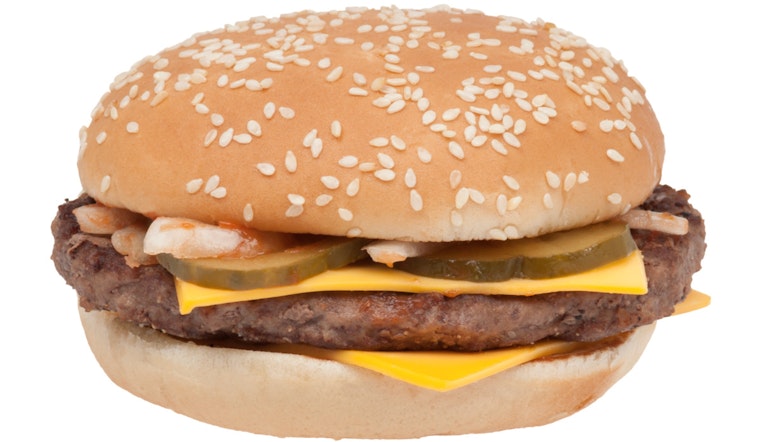
A multi-state E. coli outbreak, possibly linked to McDonald’s Quarter Pounders, has continued to spread, with 75 reported cases across 13 states, officials reported on Friday. According to WOOD TV8, among those states, Michigan has recently been identified as one of the affected areas. The Centers for Disease Control and Prevention (CDC) has confirmed that 22 individuals have been hospitalized, with two suffering from a serious kidney disease complication known as hemolytic uremic syndrome, and one fatality occurring in Colorado.
The ongoing investigation by the U.S. Food and Drug Administration (FDA) has yet to conclusively pinpoint the contamination source, but attention has been pointed towards slivered onions and beef patties. The implicated onions, supplied by California grower Taylor Farms, were subject to a recall over E. coli concerns. McDonald’s preemptively ceased to offer the burger in various states subsequent to the outbreak's initial news break on Tuesday. This decision was to rapidly reduce the potential risk to customers, as stated by McDonald’s officials to ClickOnDetroit.
E. coli is a bacteria that can cause severe symptoms, including high fever, prolonged and bloody diarrhea, excessive vomiting, severe abdominal cramps, and signs of dehydration. The CDC warns that symptoms typically emerge three to four days after ingesting the bacteria, with most individuals recovering without treatment within a week. However, the CDC stresses the importance of seeking medical help when symptoms escalate or persist, as indicated in their list of symptoms to watch for on ClickOnDetroit’s report.
Meanwhile, other fast-food chains are taking precautionary measures, pulling onions from their menus in select regions as a response to the outbreak. Burger King, for example, ceased using whole onions sourced from Taylor Farms’ Colorado facility despite no reported illnesses related to their products. They did this move as Taylor Farms, upon issuing the onion recall, did not publicly announce the recall, which is not a mandatory action but often practiced for wider consumer awareness, explained an FDA official according to PBS NewsHour. The CDC reported that some of the infected individuals had traveled across states before experiencing symptoms, indicating a potential spread beyond direct purchase locations.
Legal action is already underway as individuals affected by the contamination seek justice. "Clarissa DeBock ate food from a local McDonald’s in Nebraska on Sept. 18, fell ill on Sept. 23 and sought emergency care two days later before she was diagnosed with an E. coli infection," according to PBS NewsHour. Her lawsuit is just one of the many that McDonald's faces in light of the outbreak.





