

























































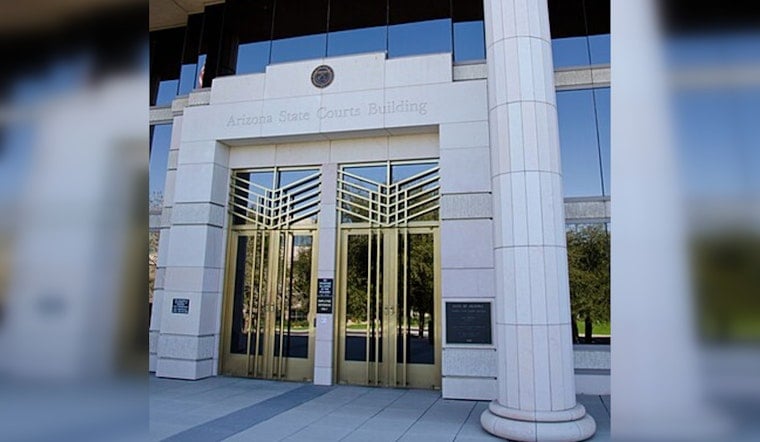
In a critical ruling that influences the future of DNA evidence in the legal system, the Arizona Supreme Court has made a decision on the admissibility of DNA obtained without a warrant, a detail that strikes at the heart of the Allison Feldman murder case, involving the defendant Ian Mitcham. As reported by the Arizona Judicial Branch, the Supreme Court reversed a previous ruling that barred the prosecution's use of a DNA profile in Mitcham's trial—a profile developed from a blood sample given during an unrelated DUI arrest, which was analyzed by the police without obtaining a separate warrant for the murder case.
Central to this controversy is Mitcham's constitutional right under the Fourth Amendment, which governs security from unreasonable searches and seizures. Although the superior court initially ruled against the use of the DNA evidence, the Supreme Court's decision found that while the police did overstep by not getting a warrant the "inevitable discovery" rule applies, meaning the evidence could have been obtained legally otherwise, thus allowing the evidence to be used in court the link between Mitcham’s DNA and the Feldman murder scene can not be ignored and stands as a key point in the trial's proceedings.
According to the Arizona Supreme Court, the Court's findings touch on significant aspects of law enforcement's capacity to evaluate evidence already within its possession, shedding light on the legal nuances of "inevitable discovery." This ruling serves as a paramount clarification within Arizona's judicial processes and potentially sets a standard for other jurisdictions grappling with similar DNA-related legal conundrums.





