

























































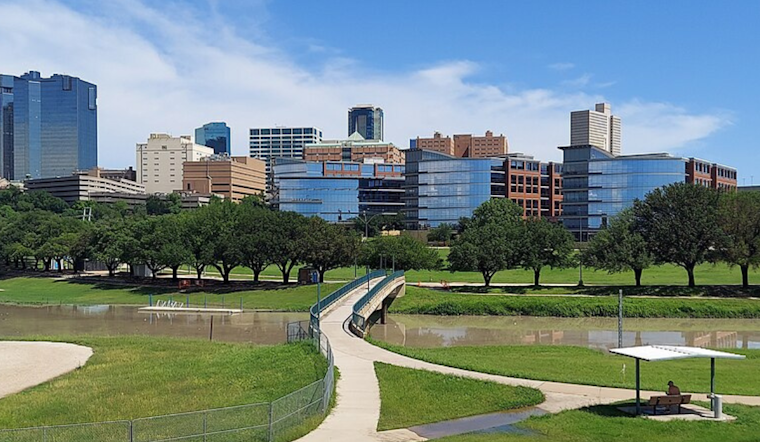
The City of Fort Worth has overtaken Austin to become the fourth-largest city in Texas. The recent estimates provided by the Texas Demographic Center highlight Fort Worth's significant population increase to 989,878 as of January 1, surpassing Austin's population estimated at 986,928. This marks a growth rate of 7.7 percent for Fort Worth between the years 2020 and 2024, as reported by FOX 4 News.
According to a Dallas Business Journal report, the Dallas-Fort Worth-Arlington metroplex has continued to swiftly expand, now exceeding a population of 8.1 million. Fort Worth's growth is significant not only at the state level but also nationally, being recognized as the fastest-growing of the 30 most populous cities in the United States. Despite the overall growth in the Metroplex, Dallas County itself managed to only modestly increase in population, adding 16,399 people since 2020, which translates to a growth of just 0.6 percent.
While Fort Worth's ascension signals a shift in the urban landscape of Texas, growth distribution across the state remains uneven. As detailed by FOX 4 News, Houston remains the most populous city with 2,318,657 residents, followed by San Antonio, Dallas, and now Fort Worth. El Paso, Arlington, and Corpus Christi also make the list of Texas' largest cities, reflecting diverse centers of growth throughout the state.
In comparison, suburbs like Kaufman County have experienced even more explosive growth rates. The population there has increased by 26.7 percent since 2020, rising to 184,070 people. This trend indicates a broader shift as individuals and families choose to more frequently settle in suburban areas, according to the Texas Demographic Center via the Dallas Business Journal. The change can be partly attributed to the alluring blend of available space and expanding infrastructure that suburban areas offer, as well as accessibility to metropolitan amenities affording a balance between urban and suburban living.





