

























































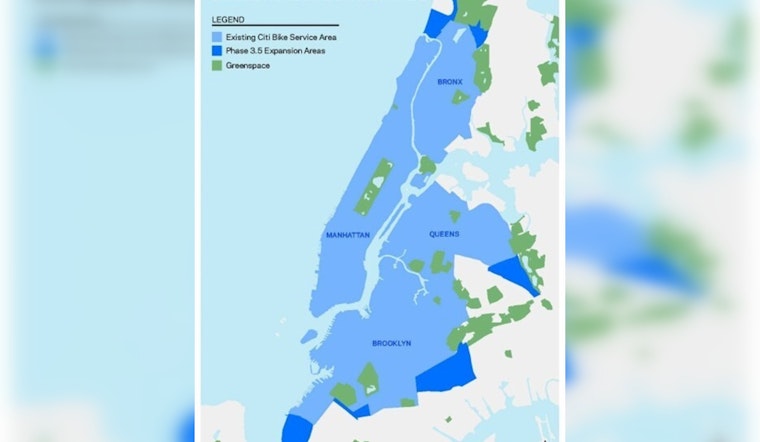
New York Mayor Eric Adams and the Department of Transportation Commissioner Ydanis Rodriguez, in partnership with Lyft, have announced a substantial expansion of the Citi Bike program throughout the city's outer boroughs, aiming to make cycling more accessible and equitable across diverse neighborhoods. Beginning in fall 2025, this initiative will see Citi Bike stations introduced to areas such as Norwood and Riverdale in the Bronx, along with Brownsville, East New York, Kensington, and Bay Ridge in Brooklyn, extending rapidly to encompass west of Flushing Meadows Corona Park in Queens, as reported by the City of New York official website.
Ridership has surged, with over 44 million journeys taken this year, making Citi Bike a crucial part of New York City's transit system. Mayor Adams stated to the City of New York, "People in Brownsville and other low-income neighborhoods deserve Citi Bike access as much as any other New Yorker," emphasizing the city's goal to establish "a more affordable, more equitable, and more sustainable transportation system in all five boroughs." The expansion will result in more than 900,000 additional New Yorkers having a Citi Bike station within a five-minute walk from their location, covering 64 percent of the city’s residential population.
Not only does this development add more than 250 stations and 2,900 bikes to the network—half of them electric—but it also introduces "kioskless" stations with more resilient docking equipment allowing greater station placement flexibility. This multiphased growth strategy illustrates the city's larger commitment to bolster sustainable transit and support the need of low-income residents through a variety of measures, including "Fair Fares NYC" and free MetroCards for Summer Youth Employment Program participants, as detailed by the City of New York.
Queens Borough President Donovan Richards Jr. praised the expansion as a step toward reducing auto congestion, stating to the City of New York, "Citi Bike has been successful in reducing auto congestion in the neighborhoods where it has already been introduced," and expressed support for this effort to make Queens more bike-friendly; with the city's transportation landscape also featuring over 70 percent of the city’s fleet utilizing sustainable fuels—a testament to the ongoing eco-conscious direction the city is taking. This expansion matches prior infrastructure efforts, such as growing the greenway network and enhancing protected bike lanes, which have been a part of the city's mission to modernize and diversify transportation options for its citizens.




