

























































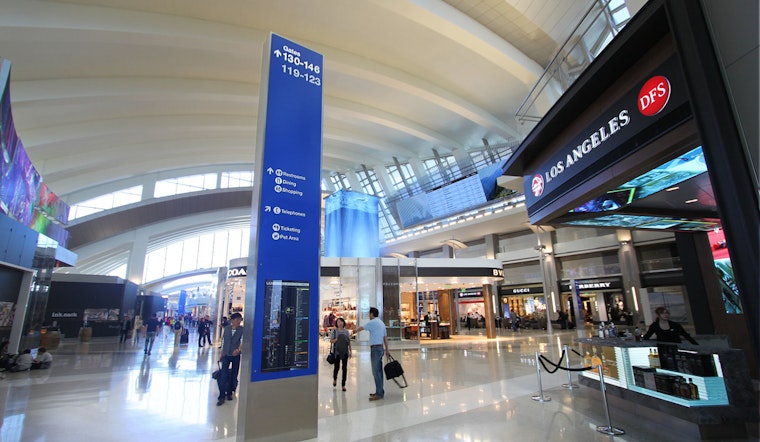
The Los Angeles County Department of Public Health has alerted residents and visitors of a confirmed measles case involving a traveler who passed through Los Angeles International Airport (LAX) while infectious, as detailed in a recent report. The infected individual, not an LA County resident, arrived from an international location on Qatar Airways flight QR 0739 on November 27. According to the announcement, passengers present at Tom Bradley International Terminal B, Gate 155, between approximately 12:30 PM. and 6:00 P.M. on that date, could be at risk. Local health departments are working to notify specific exposed passengers directly, with individuals in these susceptible groups urged to check their vaccination status promptly.
The public is advised to review medical records or reach out to healthcare providers to confirm immunization against measles, particularly those who traversed Terminal B's confines during the stated window, and who might have encountered contaminated air or surfaces unwittingly. Those unsure of their immunization status or unvaccinated remain at heightened risk, and potentially exposed adults and children alike must be mindful of symptoms from 7 to 21 days after exposure, the period during which measles signs may manifest, as "Measles spreads easily through the air and on surfaces and easily between people who are not already protected from it," Dr. Muntu Davis, the Los Angeles County Health Officer, emphasized.
Symptoms of measles, as outlined by health officials, include high fever, cough, runny nose, red and watery eyes, and the distinctive measles rash that begins on the face before spreading to the rest of the body. For those experiencing any of these symptoms, the guidelines are clear: avoid public places like work or school, and immediately contact a healthcare provider without entering healthcare facilities unannounced—such caution is meant to avert further transmission of this highly contagious illness. The efficacy of the measles, mumps, and rubella (MMR) vaccine is well-documented, with a two-dose regimen being 97% effective at preventing measles. Vaccination remains the best defense according to health authorities, who are striving to maintain community coverage at or above 95% for robust herd immunity.
While health insurance typically covers the cost of vaccination, uninsured and underinsured individuals have access to free or low-cost options at clinics participating in the Vaccines for Children (VFC) and Vaccines for Adults (VFA) programs, providing resources to anyone who may find themselves vulnerable to this preventable condition, especially because 40% of the 280 reported measles cases in the U.S. as of November 21 have required hospitalization due to complications or the need for isolation.




