

























































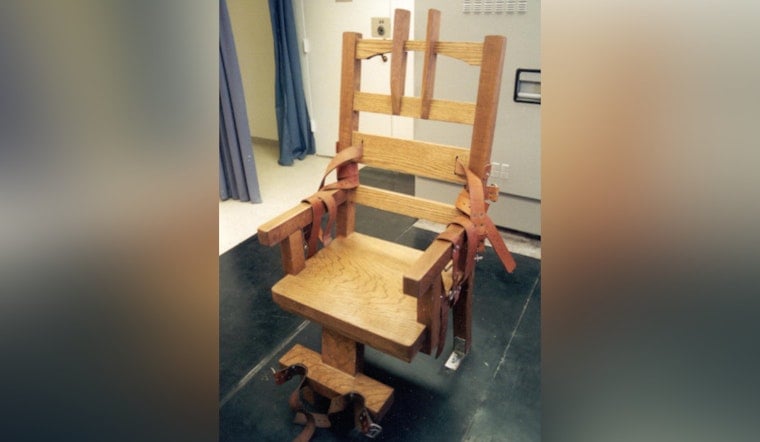
In 2024, the number of executions in the U.S. remained low, with 25 total executions. Most of these executions—76%—took place in just four states: Alabama, Missouri, Oklahoma, and Texas, mainly in the South. A significant development this year was Alabama's use of nitrogen gas for the first time in executions, with three people put to death using this method as the state faces challenges in obtaining lethal injection drugs, according to AP News.
Executions in the U.S. have been declining, with fewer than 30 per year for the past 10 years, compared to 98 in 1999. Robin M. Maher, executive director of the Death Penalty Information Center, said, “The dramatic drop in new death sentences over the years, I think is the most current indicator of attitudes and reflects the public’s growing reluctance to use the death penalty.” However, Texas continues to carry out executions, with five in 2024, four of them involving people of color. The Texas Coalition to Abolish the Death Penalty pointed out that five of the six new death sentences this year also involved people of color. Kristin Houlé Cuellar, Texas Coalition to Abolish the Death Penalty's executive director, said, “This raises real concerns about the continued racial bias in the administration of the death penalty,” as covered by Houston Public Media.
Despite Texas's high number of executions, a growing bipartisan movement is working to stop some of them, driven by concerns about wrongful convictions and fairness. One example is the case of Robert Roberson, whose execution was delayed when lawmakers issued a subpoena for him to testify just days before his scheduled death. While some states like Missouri have seen death row numbers drop dramatically—from nearly 100 in the '90s to just eight—other states, including Indiana, South Carolina, and Utah, are resuming executions. The death penalty remains a deeply divided issue across the U.S., as reported by AP News.




