

























































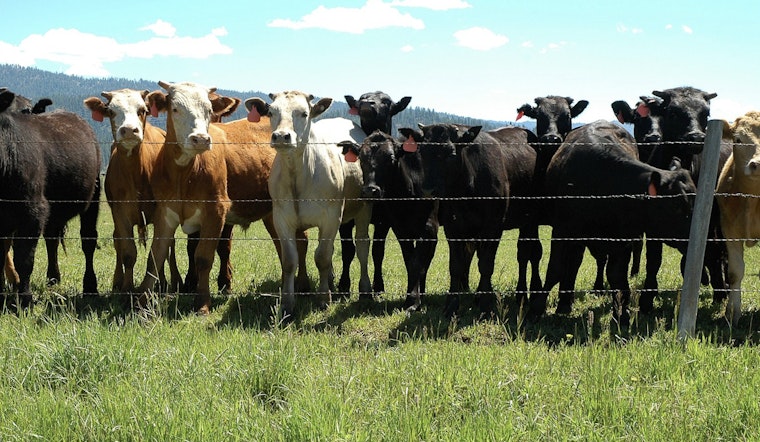
In a concerning development for Michigan's livestock, a beef cattle herd in Alcona County has tested positive for bovine tuberculosis, marking the first case since January 2022. As reported by ClickOnDetroit, the detection took place within the state's Modified Accredited Zone (MAZ) that encompasses Montmorency, Oscoda, Alpena, and Alcona counties, confirming the 83rd cattle herd to be afflicted since 1998. State Veterinarian Nora Wineland emphasized the importance of the annual surveillance testing, stating, “Bovine TB is a persistent and challenging disease to address," also noting the vital roles that stakeholders from various sectors play in controlling the disease.
Lansing State Journal details the measures that Michigan employs to manage bovine TB within the four-county Modified Accredited Zone, including the use of RFID tags for cattle, mandatory annual TB tests, and movement certificates for cattle transportation. These efforts are part of a stringent set of requirements intended to keep the infection at bay while maintaining cattle trade, yet the emergence of new cases reflects the ongoing challenge in eradicating this multifaceted disease.
Bovine tuberculosis, caused by the bacteria Mycobacterium bovis, can infect a wide array of mammals, including humans, and is notably present in the state's white-tailed deer population. Deer and cattle interaction is a significant route for transmission, raising concerns about wildlife management as a vector control measure. According to WILX, the disease's presence within the deer population necessitates regular surveillance testing of commercial cattle herds in the northeast region of Michigan, a critical tool for early detection and prevention of bovine TB's spread.
Additional context is provided by the MDARD's recent findings of infected wild deer in counties beyond the MAZ, prompting new testing areas to be established last year in parts of Benzie, Manistee, Crawford, and Otsego counties, as the disease's reach appears to be widening, hunters submitting deer heads for testing has become another essential strategy in identifying and reducing the disease's spread among deer populations. Ultimately, these interventions highlight the interconnectedness of animal health and the need for continued vigilance in agricultural and wildlife management practices.





