

























































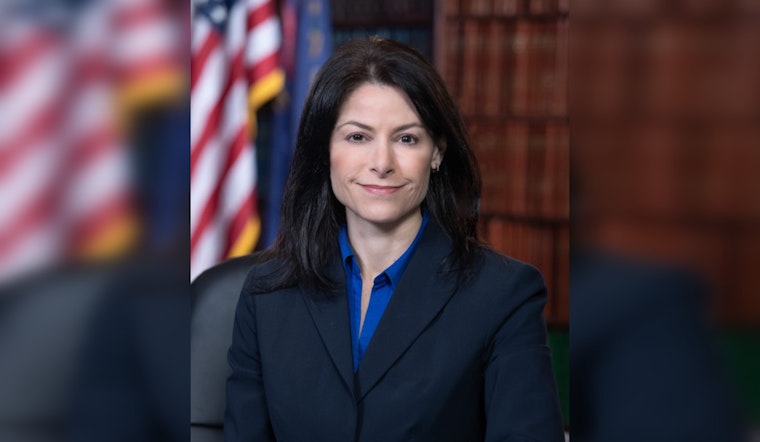
Michiganders looking ahead to increased political activism this year received guidance straight from the top legal authority in the state. Attorney General Dana Nessel has issued a letter to law enforcement with detailed advice on handling protests and picketing, ensuring activities remain within First Amendment rights while respecting state laws. According to a video released alongside the memorandum, which is available on the Department of Attorney General’s website, Nessel flags a potential surge in demonstrations, saying, "I anticipate that 2025 will be a year of increased exercise of these rights."
The letter, which is not just advice but some form of a clarion call, outlines scenarios where constitutional rights could intersect with various levels of regulations, touching on campaigns at voting locations, dissent outside private homes, and voices raised at educational and medical institutions, among others. "This guidance relies on the good judgment of law enforcement as well as prosecutors, to ensure that rights are protected on any side of a political protest," Nessel said, as reported on the Department of Attorney General’s website.
Her office aims to foster a dialogue amongst legal and law enforcement officials statewide, educating both the enforcers and the public on rights and regulations. This pre-emptive strategy intends to support frontline officers and local prosecutors in real-time decision-making. Nessel's office remains involved with ongoing prosecutions from incidents such as those at The Diag at the University of Michigan last spring, hoping the guidance will better steer local prosecutors in future cases.
Nessel's directive emphasizes balancing the protection of constitutional freedoms with maintaining public safety. Law enforcement is urged to use their roles wisely, acting as diplomatic arbiters between civic freedoms and legal constraints. The guidelines are expected to serve as a roadmap to help officials safeguard the delicate balance between the right to express opinions and the assurance of peace.





