

























































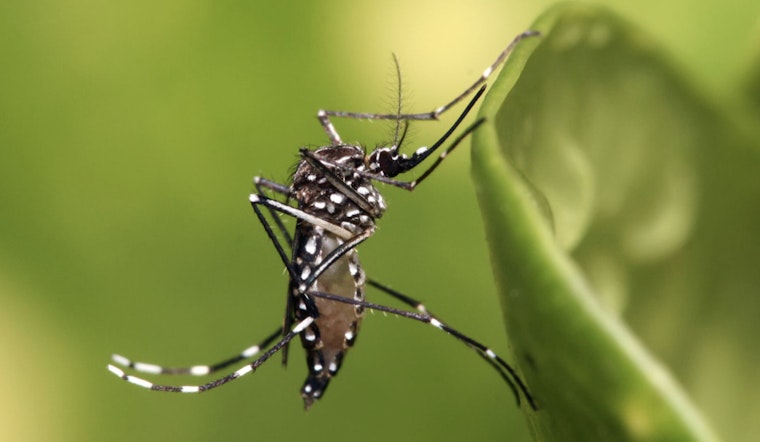
The Hawai‘i Department of Health (DOH) has recently identified a new travel-related dengue virus case on Oʻahu, which now tallies the total cases in the state to 16 as recorded in 2024. This latest patient joined the list of others scattered across the islands, with one on Kauaʻi, four on Maui, and 11 on Oʻahu, and was reported to have contracted the virus in a region where dengue fever is prevalent, according to a DOH announcement.
In response to the recent case, the Department of Health (DOH) took immediate action by deploying inspection and mosquito control teams to the area of exposure. While these efforts continue, local communities are urged to help prevent the potential spread of the virus. Effective steps include draining standing water around homes where mosquitoes breed, wearing protective clothing, and using EPA-registered repellents to avoid mosquito bites—especially for those who have visited or plan to visit areas where dengue is more common. Dengue spreads through the cycle of person-to-mosquito-to-person, but it is not considered an endemic issue in Hawai‘i, largely due to proactive measures and public cooperation.
While the mosquito species that can spread the virus are present in Hawai‘i, the state has not experienced dengue becoming endemic, primarily due to ongoing control and prevention efforts. Higher-than-usual dengue activity is currently being reported in regions such as Central and South America, Asia, the Middle East, Africa, as well as in some Pacific Islands and Caribbean tourist destinations, including Puerto Rico, according to the DOH communication.
Preventive measures against dengue, recommended by the Centers for Disease Control and Prevention (CDC), are important for both travelers going to affected areas and those returning home. The CDC suggests using EPA-registered repellents, wearing clothing that covers the arms and legs, and choosing accommodations with mosquito protection, such as air-conditioned rooms with screens or insecticide-treated bed nets. These precautions should be maintained for up to three weeks after returning. The CDC also advises reviewing country-specific travel guidelines before traveling. Travelers who develop symptoms like fever, nausea, or rash within two weeks of returning should consult a healthcare provider to help prevent the spread of the virus, which can be transmitted through standing water that allows mosquitoes to breed and spread the infection.
In response to new cases, Hawai‘i's Department of Health (DOH) continues to conduct site inspections and mosquito control activities as needed. Residents can assist by eliminating potential mosquito breeding sites, such as buckets, catchment plants, and discarded cups, by emptying them to disrupt the mosquito life cycle. For more information on these measures and other precautions, the Disease Outbreak Control Division (DOCD) and Vector Control Branch (VCB) websites offer resources for the community.





