

























































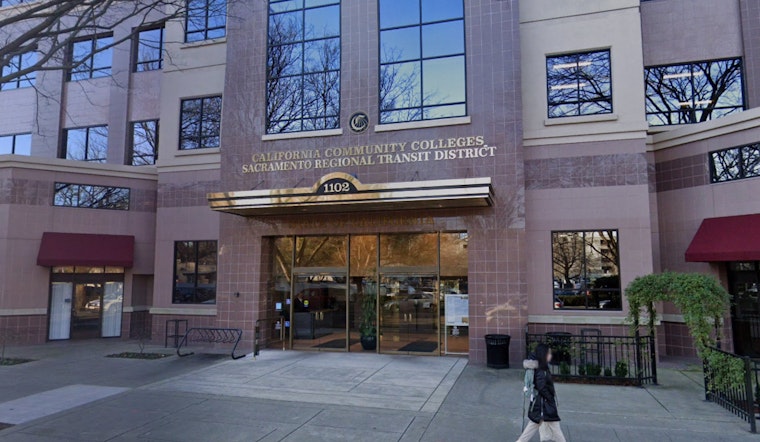
Yesterday, Sacramento is getting tougher on drivers who block bus stops, with the City set to issue citations to offenders. This enforcement action is part of the Sacramento Regional Transit District's (SacRT) Bus Stop Enforcement Program, initially rolled out in December 2024, aiming to enhance safety and ensure bus services run on time. As reported by ABC10, drivers who park in bus zones not only create a hazard for passengers, particularly those with mobility issues but also disrupt the punctuality of the buses. SacRT General Manager/CEO Henry Li emphasized the need for clear bus stops, citing, "Keeping bus stops clear is critical to ensuring the safety and accessibility of our transit system."
The fines associated with these violations will be $100, which will be mailed, to the registered vehicle owner found obstructing these transit areas. Around 100 SacRT buses are equipped with advanced camera technology, utilizing artificial intelligence provided by Hayden AI to detect parking violations. Once captured, the city of Sacramento reviews the evidence to confirm infringements before issuing citations. According to a statement from Charles Territo, Chief Growth Officer at Hayden AI, the tech is designed for cities across the country to "change driver behavior and keep dedicated transit zones clear for buses." SacRT.
During the introductory phase of the program from December 19, 2024, to February 11, SacRT issued approximately 2,740 warnings to vehicles parked at bus stops. The strategy aligns with Assembly Bill 917 approved in 2021, which grants California transit agencies the authority to use such camera systems to enforce parking laws in transit-only lanes and designated transit zones.
The enforcement will soon expand beyond bus stops to include vehicles that are illegally parked in bike lanes, supporting the city's commitment to safer and sustainable transportation. This step was announced by Staci Hovermale, Parking Manager for the City of Sacramento who shared with ABC10, "The City of Sacramento is committed to keeping bus stops clear to ensure rider safety and prevent transit delays caused by illegally parked vehicles which create hazardous conditions for riders and delay transit service." The program mirrors those already in place in cities like Oakland, Los Angeles, Washington, D.C., and New York City where similar technology-driven solutions have produced significant improvements in transit operations and street safety.





